Blog

Your blog category

Private Blog Networks
Blog

What are PBNs (Private Blog Networks), and why should they be avoided in off-page SEO?

PBNs (Private Blog Networks) are networks of websites created to manipulate search engine rankings. They’re usually made up of expired or low-quality domains that still have backlinks, which can be leveraged to build new sites to rank specific pages higher in Google search results. The primary goal is to build backlinks to a target website from these network sites, boosting its authority and search visibility. This is often referred to as a Private Blog Network, an SEO service where the focus is on utilizing the strength of a Private Blog Network to improve a website’s rank. However, it’s important to note that a Private Blog Network setup for link manipulation can result in penalties from Google if detected. What Are PBNs (Private Blog Networks)? PBNs (Private Blog Networks) are networks of websites used to manipulate the search engine rankings of other websites. These networks are usually formed by purchasing expired domains that already have backlinks pointing to them. These domains are often dropped or neglected but still carry some domain authority due to their previous backlinks. What Are PBNs (Private Blog Networks)? PBNs (Private Blog Networks) are networks of websites used in digital marketing agency to manipulate the search engine rankings of other websites. These networks are usually formed by purchasing expired domains that already have backlinks pointing to them. These domains are often dropped or neglected but still carry some domain authority due to their previous backlinks, making them useful in SEO strategies. Why Do People Use PBNs? The main reason some people use PBNs is to boost their website’s SEO performance by getting high-quality backlinks from these network sites. The thought process behind using PBNs is that they will help improve a website’s ranking on Google, especially if the network sites are linking to the target website. This is an attempt to improve Domain Authority (DA) and Page Authority (PA), two important ranking factors for SEO. However, using PBNs is risky and goes against Google’s Webmaster Guidelines. Why Should PBNs Be Avoided in Off-Page SEO? Google Penalties: Google is extremely savvy about detecting unnatural link-building tactics, and using a Private Blog Network (PBN) can result in severe penalties. If Google detects your website is linked to a PBN, they may impose a penalty that can drop your site’s rankings or even remove it from the search index altogether. Short-Term Gains, Long-Term Risks: Even though you might see a temporary improvement in rankings using PBNs, the risks involved (including penalties or de-indexing) make them a dangerous tactic. Google is continuously improving its algorithms to detect such networks. Quality of Links:  The links you get from PBNs are typically low-quality because the websites within the network don’t have genuine organic traffic or engagement. This makes them unreliable and ineffective for long-term SEO growth. Inorganic Link Building:  Google prefers natural, organic links—those that come from real, high-quality sites within the same niche. PBNs are artificial link-building tactics, and Google penalizes such efforts. Why Avoid Private Blog Networks in SEO? SEO Best Practices for Avoiding PBNs and Ranking Safely Instead of using PBNs, here are the best white-hat practices for SEO that can lead to long-term success: How to Use Your Target Keywords Correctly: If your focus is on “Private Blog Network SEO posts service,” “Private Blog Networks,” and “Private Blog Network setup,” you can still use these terms appropriately while emphasizing white-hat SEO and safe link-building practices. Below is a sample of how you could structure a blog post to incorporate these keywords and stay within Google’s guidelines. Conclusion:  Avoid the temptation of using Private Blog Networks in your SEO strategy. While they may provide short-term results, they can ultimately lead to penalties that harm your website’s rankings and visibility. By focusing on high-quality content and ethical link-building techniques, you’ll see better long-term SEO success. FAQs What is a private blog network? A Private Blog Network (PBN) is a group of websites used to build backlinks to a main website to boost its search engine ranking. PBNs are typically created with expired or purchased domains with high authority. They are considered a black-hat SEO technique and can lead to penalties if detected by search engines. How to build a private blog network? To build a Private Blog Network (PBN), you need to acquire high-authority expired or aged domains. Next, set up websites with unique, quality content on these domains, ensuring they look natural and not interconnected. Finally, link these sites to your target website, but avoid patterns that could be flagged by search engines. What is blog commenting in off-page SEO? Blog commenting in off-page SEO involves leaving meaningful comments on blog posts to build backlinks and drive traffic. It helps in engaging with relevant content and can improve search engine rankings when done on authoritative sites. However, it must be done naturally to avoid being seen as spammy.

Building Local Citation
Blog

How does citation consistency impact local SEO?

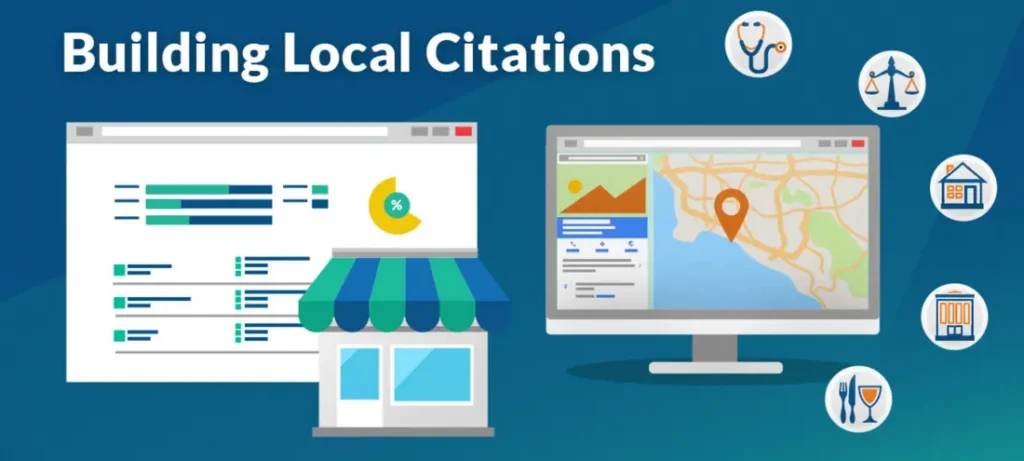
If you run a local business, you may have heard about the importance of local seo. Local SEO helps companies to appear in search results when people nearby look for services or products. One of the key factors that influences local SEO is citation consistency. But what does that mean, and why does it matter? This article will explore citation consistency in detail and how it affects your local search rankings. What Is Citation Consistency? A citation is any online mention of your business’s Name, Address, and Phone number (NAP). Citations can appear on directories like Google My Business, Yelp, Facebook, and local business listings. Citation consistency means that your business’s NAP details are the same across all online platforms. For example, if your business name is “Joe’s Pizza House,” but it appears as “Joe’s Pizza & Grill” on some sites and “Joe’s House of Pizza” on others, this inconsistency can harm your local SEO. What Is Local SEO? Local SEO (Search Engine Optimization) is the process of optimizing a business’s online presence to attract more customers from local searches. It focuses on improving visibility in search engines like Google when people search for services or products near them. For example, if someone searches for “best coffee shop near me,” Google will show businesses that have optimized their local SEO. Local SEO includes strategies like optimizing Google My Business, collecting customer reviews, managing citations, and using relevant local keywords. If you need expert assistance, consider using local SEO services through,Click Master digital marketing agency in islamabad, a trusted local SEO company, that can enhance your business’s online presence. Why Is Citation Consistency Important for Local SEO? Search engines like Google use citations to verify the legitimacy and credibility of a business. If your NAP details are consistent, Google trusts your business more and ranks it higher in local searches. Here are some key reasons why citation consistency is crucial: Improves Search Engine Trust Google relies on business data from different sources. If your business information is the same everywhere, Google sees it as reliable. However, if there are variations, it may confuse search engines and lower your rankings. Boosts Local Search Rankings Accurate citations help Google understand where your business is located and what services you offer. When people search for businesses like yours, a strong and consistent citation profile increases the chances of your business appearing in local search results. Enhances User Experience Imagine a customer finds your business online but sees different addresses on different websites. They may get confused and choose a competitor instead. Citation consistency ensures that potential customers get accurate and reliable information about your business. Avoids Losing Potential Customers If your phone number or address is incorrect on some websites, customers might call the wrong number or visit the wrong location. This can lead to lost sales and frustrated customers. Keeping your citations consistent ensures customers can easily reach you. Strengthens Your Online Reputation Consistency in your business details across various platforms shows professionalism. When customers see the same information on multiple sites, they trust your business more. Common Citation Inconsistencies and How to Fix Them Many businesses face citation inconsistencies without realizing it. Here are some common mistakes and how to correct them: Different Business Names Variations in Address Format Inconsistent Phone Numbers Duplicate Listings Old or Outdated Information Solution: Regularly check and update your business information online Example: A business moves to a new location but forgets to update citations. Where to Check and Update Your Citations To ensure citation consistency, check these major platforms: Use tools like Moz Local, BrightLocal, or Yext to scan your citations and find inconsistencies. Steps to Maintain Citation Consistency Create a Master NAP File Claim Your Listings Regularly Audit Your Citations Monitor New Citations Encourage Customers to Review Your Business Conclusion Citation consistency is a vital part of local SEO. When your business details are the same across all platforms, it builds trust with search engines and customers. This leads to better local search rankings, more visibility, and increased sales. Regularly checking and updating your citations will ensure your business stays ahead in local search results. FAwQs What is local SEO? Local SEO is the process of optimizing your online presence to attract more customers from local searches. It helps businesses appear in search engine results when users search for services or products in their area. How does citation consistency affect local SEO? Citation consistency helps search engines verify your business information, which improves your rankings. Inconsistent citations can confuse search engines and lower your visibility. What are the common mistakes in citation consistency? Common mistakes include using different business names, varying address formats, inconsistent phone numbers, duplicate listings, and outdated information. How can I check my business citations? You can use tools like Moz Local, BrightLocal, and Yext to scan your citations and identify inconsistencies.

HTTPS affect on-page SEO
Blog

HTTPS affect On-Page SEO: Boost Rankings & Security

In the ever-evolving digital landscape, website security has become a priority for businesses, website owners, and search engines alike. One of the most significant developments in web security is the shift from HTTP (HyperText Transfer Protocol) to HTTPS (HyperText Transfer Protocol Secure). While HTTPS was initially used only for e-commerce websites, it has now become essential for all types of websites, primarily due to its SEO benefits. The HTTPS impact on-page SEO is substantial, as search engines prioritize secure websites, leading to better rankings and improved user trust. Search engines, particularly Google, prioritize secure websites. Since 2014, Google has officially recognized HTTPS as a ranking factor, making it crucial for on-page SEO. In this blog, we will explore how HTTPS impact on-page SEO and why switching to HTTPS is essential for better search rankings, improved user trust, and overall website performance. The HTTPS impact on-page SEO cannot be ignored, as search engines and users both prefer secure browsing experiences. What is HTTPS? HTTPS impact on-page SEO begins with understanding what HTTPS is. HTTPS (HyperText Transfer Protocol Secure) is an improved version of HTTP that uses SSL/TLS encryption to protect the data transmitted between a website and its users. This encryption ensures that hackers or third parties cannot intercept or manipulate the information being exchanged. HTTPS is particularly crucial for safeguarding sensitive data such as login credentials, banking details, and personal information. The HTTPS impact on-page SEO means that websites using HTTPS are more likely to gain user trust and perform better in search engine rankings. Difference Between HTTP and HTTPS HTTP and HTTPS are two different protocols that define how data is transmitted between a browser and a website. The primary difference between them lies in security: HTTPS impact on-page SEO is crucial as Google and other search engines prioritize secure websites. It not only improves SEO rankings but also enhances user trust and website credibility. HTTPS and Google Ranking 1. Google’s Decision to Make HTTPS a Ranking Factor In 2014, Google declared HTTPS as a ranking signal. This means websites using HTTPS are more likely to rank higher in search results. According to Google, website security is not just a ranking factor but also a key element in improving user experience. HTTPS impact on-page SEO plays a vital role in determining whether a site appears in top search results. 2. SEO Rankings and HTTPS Several SEO case studies have demonstrated that HTTPS websites achieve better SEO rankings. HTTPS impact on-page SEO helps in boosting rankings and also: When users see a secure website, they are more likely to stay longer, which sends positive signals to search engines and strengthens the HTTPS impact on-page SEO. HTTPS and On-Page SEO Elements 1. URL Structure 2. Page Load Speed 3. User Trust and Engagement Challenges and Solutions in HTTPS Migration 1. Choosing the Right SSL Certificate Websites must select the appropriate SSL certificate based on their needs to maximize HTTPS impact on-page SEO: Redirects and Technical Issues Google Search Console and Analytics must be updated to reflect the new HTTPS version and maximize HTTPS impact on-page SEO. Common Mistakes to Avoid in HTTPS Migration Delaying SSL Certificate Renewal: Expired SSL certificates cause security warnings that drive users away and negatively impact SEO. Conclusion In today’s digital age, HTTPS impact on-page SEO is undeniable. Search engines and users prefer secure websites. If you want your website to: Then implementing HTTPS is the best decision. HTTPS impact on-page SEO is not just a ranking factor but a vital component of online success and security. Websites that fail to adopt HTTPS risk lower rankings, loss of traffic, and diminished user trust. By embracing HTTPS impact on-page SEO, businesses can enhance their visibility, security, and overall website performance. FAQs Why is HTTPS important for SEO? HTTPS is crucial for SEO because it enhances security by encrypting data, protecting user information, and building trust with visitors. Google considers HTTPS a ranking factor, giving secure websites an SEO advantage over non-secure ones. Additionally, HTTPS improves user experience by preventing browser security warnings, reducing bounce rates, and boosting site credibility. Does HTTPS impact page load speed? Yes, HTTPS can impact page load speed, but modern optimizations like HTTP/2 and TLS 1.3 make it faster than HTTP in most cases. HTTPS enables better performance features like multiplexing and compression, reducing load times. Properly configured HTTPS improves both security and speed, enhancing SEO and user experience. How can I check if my website has mixed content issues? You can check for mixed content issues by using browser developer tools (Console tab) to spot insecure HTTP resources on an HTTPS page. Online tools like Why No Padlock? or SSL Checker can also detect mixed content errors. Additionally, running a site scan with tools like Google Search Console or Screaming Frog SEO Spider helps identify and fix such issues. Will HTTPS affect my website’s rankings immediately? Switching to HTTPS may not immediately boost rankings, but it helps in the long run by improving security, trust, and user experience. Google considers HTTPS a ranking factor, so over time, it can positively impact SEO. However, improper migration (e.g., missing redirects) can temporarily affect rankings until issues are resolved. Do I need to update my Google Search Console after migrating to HTTPS? Yes, after migrating to HTTPS, you must update the Google Search Console by adding the HTTPS version of your site as a new property. Resubmit your sitemap, update internal links, and monitor for indexing or crawl errors. This ensures Google properly recognizes and ranks your secure pages.

Instagram Monitizing
Blog

Instagram Monetization in Pakistan | Complete Guide

Instagram Monetization in Pakistan is becoming a popular way for creators to earn money. Many Pakistani content creators are using Instagram to turn their passion into a profitable business. This guide will explain how Instagram monetization works in Pakistan, including the eligibility requirements, different ways to earn, and the best strategies to maximize income. From ads and brand sponsorships to affiliate marketing and selling products, there are many ways to generate revenue. With the right approach, you can turn your followers into a steady income stream. This blog will guide you properly on how Instagram monetization works in Pakistan. What is Instagram Monetization? Participating in Instagram monetization can generate income through your Instagram account. Various methods, including advertising platforms and affiliate brand partnerships, enable individuals to generate revenue. Creators can earn money directly from their content through platform tools and programs, which becomes a valuable income stream for users who maintain substantial audience numbers. Is Instagram Monetization Available in Pakistan? Yes, Instagram Monetization is available in Pakistan, allowing creators to earn money through brand partnerships, ads, and other revenue streams. However, to qualify, you must meet Instagram’s eligibility requirements. Clickmasters digital marketing agency can help you monetize and manage your Instagram account effectively, ensuring you maximize your earnings. Instagram Monetization Requirements in Pakistan To monetize your Instagram account in Pakistan, you need to meet certain criteria: Follower Count Your account must have at least 10,000 followers to qualify for Instagram monetization. Audience growth is most important for monetization because it boosts your reach and potential impact. Engagement Keep your audience engaged through content that delivers effective appeal. Maintaining strong audience engagement helps qualify accounts for important brand partnership opportunities and additional monetization prospects. Professional Account To utilize Instagram monetization features, converting your account to Creator or Business Professional status is mandatory. Once you select the Professional Account option, you can access analytics tools and monetization functions. Content Guidelines Digital creators must follow all essential rules in Instagram’s Partner Monetization Policies. Publishing content that follows both community standards and content monetization rules is required. How Does Instagram Monetization Work? Once you meet the eligibility criteria, you can start monetizing your Instagram account through several methods: Bonuses: Instagram occasionally offers bonus features to content creators who reach predetermined goals while generating particular types of content. Instagram Monetization Features Instagram offers several features to support monetization: Benefits of Instagram Monetization in Pakistan Monetizing your Instagram account offers numerous benefits: Passive Income Approval of monetization processes enables publishers to generate consistent passive income via advertising and branded content. Increased Reach Collaborating with brands lets you expand your follower base and develop increased revenue streams simultaneously. Creative Freedom Revenue streams from your content let you create high-quality materials while maintaining complete artistic freedom. Challenges and Considerations While Instagram monetization presents opportunities, there are challenges to consider: How to Get Instagram Monetization in Pakistan To start monetizing your Instagram account, follow these steps: Switch to a Professional Account Start by accessing your Instagram profile. Then, use the three horizontal lines in the top right corner to open “Settings.” The first step is to navigate to “Account” and then “Switch to Professional Account.” Any user can select either a Business or Creator account to unlock features related to monetization. Meet Eligibility Criteria You need at least 10,000 followers while ensuring that your Instagram content aligns with their Partner Monetization Policies. Visit your Professional Dashboard for the latest updates about your monetization potential. Enable Monetization When your platform meets eligibility requirements, you can access the Professional Dashboard to enable monetization. This interface lets you use your monetization options and monitor your financial performance. Engage with Brands You should begin reaching out to brands about working on joint ventures. You should utilize Instagram’s branded content features to tag businesses directly in your posts so brands find your content more easily. Instagram Monetization Rates and Earnings Understanding how much you can earn through Instagram monetization in Pakistan is important for setting expectations: Instagram Monetization Tools and Features Instagram provides several tools to help creators manage their monetization efforts effectively: Professional Dashboard The performance dashboard provides quantitative details regarding your account’s success metrics, encompassing reach, engagement, and profits. Through this, creators can also set and review their monetization options and record their earnings metrics. Monetization Insights You can access through advertisements, branded content revenue information, and detailed financial insights. By exploring these metrics, you can identify the best content for your audience and transform your strategy. Branded Content Tools You should leverage these features to attach brand mentions directly to your content. This will make it simpler for brands to interact with you. The feature will also let brands discover your content and measure its performance. Instagram Monetization Policy and Guidelines Adhering to Instagram’s monetization policies is crucial to maintaining your eligibility: Binding to platform guidance and monetary tools enables users to convert their content into profits without harming their Instagram audience base. Conclusion Instagram monetization offers creators located in Pakistan an excellent path to generate income through their posted materials. Knowing eligibility standards and using all available options while making professional content gets Instagram users onto monetary success paths. The path to monetize Instagram content requires you to maintain strong follower engagement while following all platform rules. Your Instagram potential for monetary gain in Pakistan becomes achievable with focused commitment and innovative strategies. FAQ’s What is Instagram Monetization? Instagram monetization allows content creators to generate profit from their audience by integrating advertisement options and promoting brand deals and affiliate partnerships. Is Instagram Monetization Available in Pakistan? Yes, you can monetize your Instagram profile in Pakistan. Instagram creators generate income by executing brand partnerships and displaying ads when their content satisfies minimum requirements. What are the Requirements for Instagram Monetization in Pakistan? Monetizing your Instagram account requires 10,000 followers, a Professional Account, and content aligning with Instagram’s Partner Monetization Policies. How Does Instagram Monetization Work? Your monetization process involves Reel ads, official brand collaboration agreements, and promotional affiliate activities. Creators

podcasts interviews for generating backlinks
Blog

How can podcasts and interviews generate backlinks for SEO?

Search Engine Optimization (SEO) is one of the most crucial strategies for improving the visibility of a website. Backlinks, which are links from other websites that point to your site, play a significant role in enhancing your SEO Performance. Businesses that invest in professional SEO services often focus on building high-quality backlinks to strengthen their online presence. While there are various methods to build backlinks, podcasts backlink and interviews are often overlooked. However, these platforms can be powerful tools for generating high-quality backlinks, improving your website’s search engine ranking, and ultimately driving more traffic. In this article, we will explore how podcast backilnks and interviews can help generate backlinks, and how to use them as part of your SEO strategy effectively. What are Backlinks? Before we dive into how podcasts backlinks and interviews work for SEO, let’s first clarify what backlinks are. A backlink is simply a link from one website to another. When a website links to your site, it acts as a vote of confidence or a recommendation. Search engines like Google use backlinks to determine the authority and trustworthiness of a site. The more high-quality backlinks your website has, the better your chances of ranking higher in search engine results pages (SERPs). There are two main types of backlinks: Dofollow Backlinks: These pass authority and link juice to the linked site, helping improve its SEO. Nofollow Backlinks: These don’t pass authority but still drive traffic and can contribute to brand visibility. What is a Podcast? A podcast is essentially a digital audio or video program that you can listen to or watch over the internet. It’s similar to a radio show, but the difference is that podcasts are on-demand. This means you can listen to them whenever and wherever you want, as long as you have access to the internet or have downloaded the episodes. Podcasts usually come in a series, with new episodes being released on a regular schedule (like weekly, bi-weekly, or monthly). They cover a wide range of topics, from storytelling and entertainment to education, news, and even niche industries or hobbies. Some podcast backlinks are produced by professional broadcasters, while others are made by individuals or small businesses. Key Characteristics of a Podcast: Audio or Video Format: While most podcasts are audio-based, there are some that feature video as well. These are often referred to as “vodcasts.” Episodes: Podcasts are typically released in episodes, making it easy to follow along from one show to the next. Subscription-Based: You can subscribe to a podcast through platforms like Apple Podcasts, Spotify, Google Podcasts, or other podcast apps. This means new episodes are automatically downloaded or made available to you when they’re released. On-Demand: You don’t need to listen at a specific time; you can choose when to listen, pause, and resume the episode. How Do People Listen to Podcasts? People listen to podcasts using a variety of devices and platforms: Why Are Podcasts and Interviews Good for SEO? Podcasts and interviews are becoming increasingly popular and are an excellent medium for promoting content and generating backlinks. Here’s why: Increased Online Visibility: Podcasts allow you to reach a wide audience. When your podcast is shared or mentioned on other websites, it can lead to backlinks to your website. Networking Opportunities: Interviews often involve experts or influencers in your industry. When you’re featured on their platforms, they are likely to link back to your site as a part of their content. Engagement and Content: Audio content can be transcribed into written articles or blog posts. These can be shared across websites, contributing more backlinks to your site. You can also embed podcast episodes on various platforms or in blog posts, leading to additional backlinks. Social Media Promotion: Podcast and interview content can be shared across social media platforms. These posts might be linked to by other blogs or websites, providing a backlink to your site. How to Use Podcasts for Backlinks Start Your Podcast Starting your podcast is an excellent way to promote your brand and generate backlinks. As you create valuable content, you will build an audience and attract listeners. Here’s how starting a podcast can help you generate backlinks: Be a Guest on Other Podcasts Guest appearances on established podcasts are another way to generate backlinks for SEO. Being a guest on someone else’s podcast puts you in front of their audience, and often, the host will include a link to your website in the podcast show notes or episode description. Here’s how you can make the most of being a guest: Repurpose Podcast Content into Written Articles After recording a podcast episode, you can transcribe it into a blog post or article. By publishing the transcript on your website, you are not only making your content accessible to a wider audience but also giving other websites the chance to link back to it. Create a Podcast Series Instead of one-off episodes, consider creating a series of podcasts on a particular theme. This can build anticipation among your audience and encourage listeners to come back for more episodes. The more episodes you have, the more opportunities there are for backlinks to be generated from different sources. How to Use Interviews for Backlinks Host Interviews on Your Website or Blog Just like podcasts, interviews can be a powerful way to generate backlinks. By hosting interviews on your website or blog, you encourage the interviewee to share the content, which can result in backlinks. Contribute to Other People’s Interviews If you’re invited to contribute to an interview or be featured on someone else’s blog, make sure that they include a link to your website. Similar to podcasts, these interviews often come with the opportunity for backlinks when they’re shared across various platforms. Leverage Interview Transcripts for SEO Transcribing interviews into written articles can be another way to gain backlinks. Just like podcast transcripts, these articles are content-rich and optimized for SEO. You can promote your transcribed interview as a valuable piece of content for other websites

social sharing buttons in on-page SEO
Blog

What is the role of social sharing buttons in on-page SEO?

In today’s digital age, social media is an indispensable tool for driving website traffic and improving brand visibility. Social sharing buttons play a crucial role in this ecosystem, helping visitors share content across social platforms with just a click. While social sharing buttons are often associated with increased traffic and engagement, their influence extends into On Page SEO. In this blog, we will delve into the role of social sharing buttons in on-page SEO and how their effective integration can help enhance a website’s SEO performance. We will explore the direct and indirect impacts of social shares, best practices for adding sharing buttons to your website, and how they can improve user engagement and SEO rankings. What Are Social Sharing Buttons? Social sharing buttons are small icons that appear on a webpage, allowing users to share content on social media platforms such as Facebook, Twitter, LinkedIn, WhatsApp, Pinterest, and more. These buttons are commonly integrated into blog posts, articles, product pages, and other website content to encourage sharing among users. They typically allow users to share the content to their profiles, increasing the reach of the content. There are several types of social sharing buttons, including: Each button corresponds to a specific platform where the content can be shared, helping the website’s content reach a wider audience. How Do Social Sharing Buttons Affect SEO? Social sharing buttons affect SEO both directly and indirectly. While social shares themselves may not directly influence search engine rankings (as confirmed by Google), the increased traffic and user engagement that result from social sharing can have a significant impact on SEO performance. Let’s break down how social sharing buttons can influence your website’s SEO: Increased Traffic and Exposure One of the most significant advantages of having social sharing buttons on your website is the potential for increased traffic. When users share your content across social platforms, it introduces your website to a broader audience. This can result in more visitors, including those who may not have otherwise discovered your content through search engines. Increased traffic signals to search engines that your content is valuable, relevant, and engaging. While social signals (like shares, likes, and comments) are not direct ranking factors for Google, they can indirectly affect SEO by boosting referral traffic and generating backlinks. As your content reaches more users, there are greater chances of getting backlinks from other websites, which are an important ranking factor for SEO. Improved Engagement Metrics User engagement is a key factor in SEO. Metrics such as bounce rate, time on page, and pages per session are indicators of how valuable and engaging your content is. Social sharing buttons can increase these engagement metrics in the following ways: Social Proof and Trust Social shares can act as a form of social proof, indicating to both users and search engines that your content is popular, relevant, and valuable. When people see that others are sharing and engaging with your content, they are more likely to trust your website and feel confident in its credibility. Google and other search engines value user engagement and trust, and content that is shared widely is often considered more authoritative. Although social signals are not a direct ranking factor, the increased trust and credibility of your website can lead to better organic rankings over time. Better User Experience (UX) Strategically placed social sharing buttons enhance the user experience, making it easy for visitors to share content they find valuable. A seamless, engaging user experience can indirectly affect SEO by reducing bounce rates and improving user retention. Social Signals While Google may not officially consider social shares as a direct ranking factor, it’s widely believed that social signals such as shares, likes, and comments can influence SEO indirectly. A content piece that is shared and discussed frequently can be seen as more relevant or authoritative by search engines. Best Practices for Integrating Social Sharing Buttons 1. Placement and Visibility 2. Customization Options 3. Platform Selection 4. Share Counts 5. Mobile Optimization 6. Tracking and Analytics How to Track the Effectiveness of Social Sharing Buttons It’s important to measure the impact of social sharing buttons on your website’s performance. Fortunately, there are several tools and analytics platforms available to help track the effectiveness of your social sharing efforts: 1. Google Analytics Google Analytics is a powerful tool that can provide insights into how social sharing is driving traffic to your site. You can track referral traffic, user behavior, and conversions that are coming from social media platforms. 2. Social Media Insights Each social media platform has its analytics tool (e.g., Facebook Insights, Twitter Analytics) that can help you understand how your content is performing on social media. Tracking the number of shares, likes, comments, and overall engagement can give you a clearer picture of how effective your social sharing strategy is. 3. Social Sharing Plugins Analytics Many social sharing plugins offer built-in analytics, which can help you monitor how often your content is being shared across various platforms. This data can help you refine your strategy and make necessary adjustments. Conclusion Social sharing buttons are more than just a way to make your content shareable; they are an essential tool in your SEO strategy. While they may not directly impact search rankings, they contribute significantly to driving traffic, increasing user engagement, and building trust. By following best practices for integrating these buttons into your website, you can enhance user experience, boost SEO performance, and improve your site’s overall visibility. To ensure you’re getting the most out of social sharing buttons, track their effectiveness, and make adjustments as necessary. The more shares your content receives, the higher the chances of acquiring valuable backlinks, increasing brand awareness, and improving your search rankings over time. Remember, a well-optimized website with strategically placed social sharing buttons not only drives traffic but also improves engagement, which is key to successful on page SEO. FAQs Do social sharing buttons directly impact SEO rankings? While social signals such as shares, likes, and comments are

digital marketing in pakistan
Blog

How does link quality vs. link quantity impact off-page SEO?

In off-page SEO, link quality is more important than link quantity. High-quality links from authoritative and relevant websites signal to search engines that your content is trustworthy and valuable, improving your rankings. On the other hand, focusing on link quantity (getting many links) without considering quality can lead to spammy or low-value backlinks, which can harm your SEO efforts. Quality links help build domain authority, while excessively low-quality links may result in penalties. Thus, a few high-quality links are far more beneficial than many low-quality ones. Link Quality vs. Link Quantity: Impact on Off-Page SEO In the world of SEO, off-page optimization plays a crucial role in improving the visibility and ranking of a website on search engine results pages (SERPs). One of the key elements of off-page SEO is backlinks, also known as inbound links, which are external links from other websites pointing to your site. However, not all backlinks are created equal. Link quality and link quantity are two significant factors that influence the effectiveness of your off-page SEO strategy. What is Link Quality vs. Link Quantity? Before diving into how these factors impact off-page SEO, let’s first define link quality and link quantity in the context of digital marketing: Link Quantity refers to the number of backlinks your site has, regardless of their source’s authority or relevance. While having a large number of backlinks might seem beneficial, it’s the quality of these links that truly impacts your SEO performance. How Link Quality Impacts Off-Page SEO Link quality is often the most important factor when it comes to off-page SEO. Here’s why: Improves Search Engine Rankings Search engines like Google assess the quality of backlinks to determine the authority and relevance of your website. High-quality backlinks from authoritative and reputable sources send positive signals to search engines. Google sees these links as a vote of confidence in your content, leading to improved rankings for your site. Increases Organic Traffic Backlinks from trusted and high-traffic websites can drive organic traffic to your site. This is because users who trust those websites may click on your backlink, leading to increased visitors. Enhances Brand Authority When your website gets linked by well-respected, authoritative sources, your brand credibility and authority also rise. Being linked by trusted websites can establish you as an expert in your field, which indirectly enhances your website’s trustworthiness in the eyes of both users and search engines. How Link Quantity Impacts Off-Page SEO While link quantity is still a factor in off-page SEO, it can have both positive and negative effects depending on how it is approached. Here’s how it impacts SEO: Increased Visibility A higher number of backlinks, especially from diverse sources, can help search engines notice your website more frequently. This is particularly helpful for new websites looking to gain visibility. However, quality always trumps quantity. Potential for Low-Quality Backlinks Not all backlinks are beneficial. If you focus only on the quantity of backlinks and neglect their quality, you may end up accumulating links from spammy, low-quality websites. These links can harm your SEO efforts and may even result in penalties from search engines like Google. Risk of Penalties Google has become much smarter in detecting unnatural link-building tactics. If a website relies too heavily on link quantity without proper attention to quality, it risks facing penalties that can severely impact its rankings. Google’s Perspective on Link Quality vs. Quantity Google’s algorithms, including Penguin, focus heavily on link quality over quantity. Google emphasizes that a few high-quality, relevant links from authoritative sources can be far more impactful than hundreds of low-quality backlinks. The search engine is designed to prioritize relevance and trustworthiness, making high-quality links a more sustainable and effective SEO strategy. Quality Over Quantity in Google’s Guidelines Google has consistently stated that quality is more important than quantity when it comes to backlinks. Websites that focus on acquiring high-quality backlinks naturally attract a better audience and earn higher rankings over time. Google’s algorithms reward this kind of natural, authoritative link-building. The Dangers of Link Schemes Google also has strict guidelines against link schemes, which attempt to artificially inflate the number of backlinks a website has. Practices like buying links, participating in link farms, or using automated tools to generate links can lead to penalties. Best Practices for Effective Off-Page SEO: Quality and Quantity Combined To maximize the benefits of off-page SEO, it’s crucial to strike a balance between link quality and link quantity. Here’s how you can do that: Focus on Earning Quality Backlinks Rather than buying or spamming links, focus on earning quality backlinks by creating valuable content that others naturally want to link to. This could be through: Diversify Your Link Sources While quality should be your primary focus, having a diverse range of backlinks from different sources (blogs, social media, forums, etc.) can help build a more natural and robust backlink profile. Avoid Low-Quality Links Avoid any backlinks from spammy, irrelevant, or low-authority sites. Even if you have a high quantity of links, they won’t help your SEO if they come from untrustworthy sources. Monitor Backlink Profile Regularly Regularly monitor your backlink profile using tools like Google Search Console or Ahrefs to ensure that you’re getting quality backlinks and disavow any harmful links. Conclusion When it comes to off-page SEO, link quality is far more important than link quantity. While a higher number of backlinks can help, their quality will have a much more significant impact on your search engine rankings, organic traffic, and overall brand authority. Focus on acquiring high-quality, relevant backlinks from authoritative sources to build a strong, sustainable SEO strategy. Always keep Google’s guidelines in mind and avoid using manipulative link-building tactics that could result in penalties. By emphasizing quality over quantity in your link-building strategy, you can create a solid foundation for long-term SEO success. FAQs What matters more backlink quality or quantity? Backlink quality matters more than quantity in SEO. High-quality backlinks from authoritative, relevant websites significantly improve your search engine rankings, traffic, and brand authority.

link-building strategies
Blog

What are the best link-building strategies for 2025?

In 2025, effective link-building strategies are crucial for boosting your website’s SEO and enhancing online visibility. To stay ahead in the competitive digital landscape, businesses offering SEO services need to focus on creating high-quality content, collaborating with industry influencers, utilizing AI tools for outreach, and engaging in strategic partnerships to earn valuable backlinks. Best Link-Building Strategies for 2025 Link building remains one of the most important aspects of Search Engine Optimization (SEO). Google continues prioritizing high-quality backlinks as a critical factor in determining search rankings. As we move into 2025, SEO professionals must adapt to Google’s evolving algorithms and focus on strategies that are both effective and compliant with Google’s rules. Focus on Content Quality and Relevance Google rewards websites with content that provides value and answers user queries. Link-building strategies should always be anchored in high-quality, relevant content, which is a key aspect of effective SEO services. Content Depth: Long-form content (1000-2000+ words) often performs better in terms of backlinks because it’s perceived as authoritative. However, balance quality with length. Guest Blogging with Value Guest blogging is still a widely used link-building strategy, but it must be approached correctly to align with Google’s guidelines:  Leverage Broken Link Building Broken link building is a strategy where you find broken links on authoritative websites and offer your content as a replacement.  Build Relationships for Link Building Building strong relationships with influencers, bloggers, and other content creators in your industry is crucial for getting natural backlinks. Create Link-Worthy Infographics Infographics continue to be an effective way to earn backlinks because they provide complex information in a visually digestible format. Skyscraper Technique The Skyscraper Technique involves finding high-ranking content in your niche and creating a better, more comprehensive version of it. Local Link Building If you’re targeting a local audience, local link-building strategies can be extremely effective. 8. Build Links through Social Media Social media platforms themselves don’t provide direct SEO value in terms of backlinks (since most social media links are nofollow), but they are crucial for building visibility and driving traffic. Repurpose Content for More Link Opportunities Repurposing content into different formats increases its chances of being linked to it. Convert blog posts into videos, podcasts, or slideshows to reach new audiences and earn backlinks. Use Google’s Quality Guidelines to Avoid Penalties It is important to follow Google’s link-building guidelines to avoid penalties. These include: Conclusion Link-building strategies in 2024 must align with Google’s rules to avoid penalties and achieve long-term success. Focusing on high-quality, relevant content, ethical outreach methods, and relationship-building will yield the best results. By following these SEO-friendly link-building strategies, you’ll improve your website’s authority and visibility, leading to better rankings on Google. Always prioritize natural link-building efforts, and stay updated with Google’s algorithm changes to maintain your SEO efforts. FAQs How to build links in 2025? Building links in 2025 involves creating high-quality content that naturally attracts backlinks, engaging with relevant industry influencers, and leveraging social media platforms. Guest blogging, participating in forums, and using digital PR strategies also help. Additionally, focusing on building relationships with authoritative sites is key for sustainable link-building. Is link building still relevant in 2025? Yes, link building is still relevant in 2025 as it remains a key factor for improving search engine rankings. High-quality backlinks signal authority and trustworthiness to search engines. However, the focus is now on earning natural, relevant, and valuable links rather than relying on outdated practices. Quality over quantity is crucial for effective link-building today. What is the best way to build links? The best way to build links is by creating high-quality, shareable content that naturally attracts backlinks. You can also engage in guest blogging, collaborate with influencers, and participate in relevant industry communities. Digital PR campaigns and broken link-building are also effective strategies. Focus on earning links from authoritative and relevant sites for the best results. Which of these are good strategic actions for link building? Good strategic actions for link building include creating valuable, shareable content, engaging in guest blogging, and reaching out to influencers for collaborations. Participating in industry forums and using digital PR to gain media coverage are also effective. Additionally, finding and fixing broken links on authoritative sites can help build strong backlinks.

contest giveaways for link building
Blog

How do contest giveaways help with link building and off-page SEO?

In the world of Digital Marketing, link building, and off-page SEO are crucial elements that help websites improve their visibility in search engine results. While these strategies may sound complicated, they are vital for growing your online presence and attracting more organic traffic. One popular method that helps with both link building and off-page SEO is contest giveaways. If you’re new to SEO, don’t worry. This article will explain how contest giveaways work and how they can positively impact your SEO efforts in simple terms. What is Contest SEO? Contest SEO refers to the use of online contests or giveaways as part of an SEO strategy to boost a website’s search engine visibility and drive organic traffic. Contests can improve various aspects of SEO, including link building, social media SEO, and engagement, which are all factors that search engines like Google use to determine a website’s authority and relevance. In simple terms, Contest SEO involves hosting or participating in a contest in a way that benefits your website’s SEO. This is typically achieved by creating contest-related content that encourages users to engage with your website, share it on social media, link to it on their blogs, or even write about it. How Contest SEO Works Here’s a step-by-step look at how Contest SEO works: Contests Generate Engagement People love entering contests, especially when there’s a valuable prize involved. When you run a contest, you can boost engagement in several ways: This engagement signals to search engines that your website is popular and relevant, which can result in a better search engine ranking. Encourage Backlinks One of the most important elements of SEO is link building, and contests can help in this area. Here’s how: The more high-quality backlinks you have, the better your website will rank in search engines. Improves Social Media Signals Social media signals—such as shares, likes, comments, and mentions—don’t directly impact your SEO rankings, but they do have an indirect effect. Social signals indicate that people are talking about your brand, and if your contest is shared widely across social media platforms, it can: These social interactions can have an impact on your website’s reputation, which search engines take into account when determining rankings. Furthermore, contests that go viral can significantly increase your online visibility. Boosts Organic Traffic A well-promoted contest can drive a massive amount of organic traffic to your website. Contest participants are more likely to visit your site to enter the competition, and many will return to check the results. This increase in traffic can have a positive effect on your SEO in several ways: Encourages Email Sign-Ups Contests are often used to collect email addresses, and email marketing is a great way to nurture long-term customer relationships. Additionally, email subscribers are likely to share your contest or other website content with their networks, which can lead to more backlinks and social shares.Search engines recognize this kind of user engagement as a positive signal. By running a contest that encourages email sign-ups, you’re not only growing your email list but also boosting your SEO indirectly. What is Link Building? Link building is the process of getting other websites to link to your website. These links are called backlinks. When your website has quality backlinks from reputable sites, search engines like Google see it as a sign that your website is trustworthy and valuable. This can help improve your website’s ranking in search results. For example, let’s say you have a website selling handmade candles. If a popular lifestyle blog writes an article about home décor and links to your website as a recommendation, Google will notice that external site vouching for your candles, which boosts your website’s credibility and can improve your ranking. What is Off-Page SEO? Off-page SEO refers to the activities you do outside your website to improve its ranking in search engines. While on-page SEO focuses on optimizing your website’s content and structure, off-page SEO involves things like backlinks, social media engagement, and other online activities that indicate your website’s authority and trustworthiness. One of the most effective ways to build your website’s authority is by gaining backlinks from authoritative websites. Contest giveaways can play a huge role in generating these link building. How Contest Giveaways Help with Link Building and Off-Page SEO Now that we’ve covered the basics of link building and off-page SEO, let’s look at how running a contest or giveaway can help boost these efforts. Increases Social Shares and Mentions When you host a contest or giveaway, people are likely to share it with their friends and followers on social media. As people share your contest, it can lead to more mentions of your website across various social platforms. For example, let’s say you’re giving away a popular gadget or a gift card. People will often share the contest link with their followers to increase their chances of winning. These social shares can indirectly impact your SEO, as more mentions of your website help Google recognize your brand. Additionally, if influencers or popular social media accounts mention or participate in your contest, they may link back to your website, creating quality backlinks. Encourages High-Quality Backlinks As part of your contest rules, you can ask participants to enter by sharing a link to your website or blog. For instance, you might say, “To enter, share this page on your website or blog.” This encourages others to create a link building back to your website. The more people who link to your page from various blogs or websites, the more valuable backlinks you will receive. These backlinks can improve your website’s authority and, in turn, positively affect your search engine rankings. Boosts Traffic to Your Website A successful contest can attract a lot of attention and bring new visitors to your site. When people visit your website to enter the contest, they may explore other pages, check out your products or services, and spend more time on your site. Search engines take into account the amount of traffic

commenting on niche blogs for off-page SEO
Blog

How does commenting on niche blogs impact off-page SEO?

In the world of search engine optimization (SEO), off-page SEO refers to the actions taken outside of your website that can impact your rankings on search engine results pages (SERPs). One of the strategies that can significantly influence off-page SEO is commenting on niche blogs. When done right, this strategy can help improve your website’s visibility, build backlinks, and establish your authority in your industry. Understanding the relationship between blog commenting and off-page SEO is essential for beginners to effectively leverage this tactic. What is Blog Commenting? Blog commenting is the act of leaving a response or remark on a blog post. It’s an interactive feature that allows readers to share their thoughts, ask questions, offer additional insights, or engage in conversations about the content of a specific blog. Typically, blog comments appear beneath the post, allowing other readers to see and potentially engage with them as well. For website owners, marketers, and bloggers, commenting on other blogs—especially within the same niche—can be a powerful off-page SEO strategy. The idea is to participate in the community of a niche blog by adding value to the conversation. In return, you often get the chance to include a link back to your website, which can benefit your SEO efforts by driving traffic, building backlinks, and increasing your website’s visibility. How Does Commenting on Niche Blogs Impact Off-Page SEO? In the world of SEO (Search Engine Optimization), there are numerous strategies to improve your website’s ranking and visibility. While on-page SEO techniques like optimizing content, keywords, and meta tags are well-known, off-page SEO is just as important, and one powerful yet often overlooked tactic is commenting on niche blogs. But how exactly does commenting on niche blogs impact off-page SEO? Let’s break it down in more detail. What is Off-Page SEO? Before diving into how blog commenting influences off-page SEO, let’s first clarify what off-page SEO means. Off-page SEO refers to all the activities you do outside your website that influence your site’s ranking in search engine results. This includes link-building, social media engagement, brand mentions, guest blogging, and yes commenting on other websites. The Role of Blog Commenting in SEO Commenting on niche blogs falls under the umbrella of off-page SEO because it helps build relationships and create signals that search engines take into account when ranking websites. When you engage with a blog’s content by leaving a thoughtful and relevant comment, it can provide multiple SEO benefits, such as: Building Backlinks Backlinks are one of the most important factors for SEO rankings. When you comment on a blog, many blogs allow you to include a link back to your website. This link may not always be “follow” (which means search engines follow the link to your site), but even “no-follow” links have some value. They help increase your website’s visibility, drive referral traffic, and create a natural link-building profile for your site. Increasing Website Traffic When you comment on a blog, you’re essentially promoting your website to that blog’s audience. If your comment is insightful or provides value, readers might click on your link to learn more. This increases referral traffic to your website, which can be beneficial for user engagement, reducing bounce rates, and ultimately boosting SEO rankings. Establishing Credibility and Trust Commenting on niche blogs establishes your presence within your industry or niche. By engaging thoughtfully with content related to your business or niche, you can demonstrate your expertise and knowledge, which may help build trust with both readers and search engines. Over time, people will come to see your website as a reliable source of information, potentially increasing your domain authority. Improving Brand Visibility When you consistently comment on high-quality niche blogs, your brand’s visibility improves. This is not just in terms of search engine visibility but also in terms of the audience. Regularly contributing insightful comments can make you a recognized figure in your niche, which can increase both direct and indirect traffic. The more often your brand is seen on authoritative blogs, the more likely users are to remember it. Building Relationships with Influencers Blog commenting allows you to connect with bloggers and influencers in your niche. Engaging in meaningful conversations shows that you value their content and may lead to more collaborations in the future. These connections can lead to opportunities for guest blogging, joint ventures, or other partnerships that directly or indirectly affect your SEO. Enhancing Social Signals Search engines use social signals to determine how popular and relevant a site is. By engaging in niche blog comments, you can also increase the chances of your comments being shared on social media. While social signals may not directly affect your search rankings, they contribute to building a strong online presence, which indirectly affects SEO. Best Practices for Commenting on Niche Blogs While commenting on niche blogs can positively impact your SEO, it’s important to do so in a meaningful and strategic way. Here are some best practices: Be Relevant Make sure the blog you’re commenting on is relevant to your niche. Commenting on blogs that have nothing to do with your industry will not only be unhelpful but could also harm your reputation. Keep your comments related to the topic at hand. Provide Value Don’t just leave a generic comment like “Great post!” or “Thanks for sharing.” Instead, provide insight, ask a thoughtful question, or offer a unique perspective. By providing value, you increase the chances that your comment will be noticed by both the blog owner and other readers. Avoid Spammy Links Avoid using excessive links or including spammy content in your comments. Most blog owners and moderators will filter out spammy comments, and search engines can recognize spammy behavior. Focus on building genuine, meaningful conversations instead. Choose High-Quality Blogs Engage with authoritative, well-established blogs in your niche. Comments on high-quality, relevant blogs have more value than those on low-quality, irrelevant blogs. Look for blogs with a strong readership and good domain authority. Be Consistent Don’t just comment once and forget about

Scroll to Top