Why Every Business Needs Digital Marketing in 2026
Think about how you found your last service provider. Did you walk into a store, flip through a phonebook, or ask a friend? More likely, you opened Google, scrolled through social media, or asked an AI assistant. That shift — from offline discovery to online discovery — is the single biggest reason digital marketing is no longer optional for any business.
Digital marketing has evolved dramatically from its humble beginnings of banner ads and email blasts. In 2026, it encompasses a sophisticated ecosystem of channels, technologies, and strategies that, when executed correctly through professional digital marketing services, can transform a small local brand into a nationally recognized name — or help an enterprise company dominate an entirely new market.
At Clickmasters, we’ve helped dozens of businesses across Pakistan and internationally build digital presences that generate consistent, measurable revenue. In this guide, we’re pulling back the curtain and sharing everything you need to know — from the absolute basics to the cutting-edge trends shaping the industry in 2026.
Table of Contents
| WHY READ THIS? | Whether you’re a business owner trying to grow online, a marketing professional looking to sharpen your skills, or an entrepreneur evaluating digital marketing services, this guide will give you a complete, honest picture of what digital marketing is, how it works, and what it costs. |
Digital Marketing by the Numbers in 2026
Before diving into the how, let’s establish the why. These figures make it clear that digital marketing is not a trend — it is the dominant reality of modern commerce.
| 5.4BInternet users worldwide in 2026 | $870BGlobal digital ad spend projected by 2026 | 63%of purchases begin with an online search |
| 92%of marketers say SEO delivers ROI | 4.2xHigher conversion rates with email marketing | 2.8xMore revenue for digital-first businesses |
Sources: Statista, HubSpot State of Marketing 2026, Google Economic Impact Report
What Is Digital Marketing? (The Real Definition)
Digital marketing is the promotion of products, services, or brands through digital channels and technologies — including search engines, social media platforms, email, websites, mobile apps, and online advertising networks — with the goal of reaching and engaging a target audience to drive measurable business outcomes.
What makes digital marketing fundamentally different from traditional marketing isn’t just the medium — it’s the measurability, precision targeting, and feedback loop speed. With a billboard, you might reach 100,000 people, but have no idea who they are or if they bought anything. With digital marketing, you can track exactly who clicked, when they clicked, what they did afterward, and whether they converted into a paying customer.
Digital Marketing vs Traditional Marketing
| Factor | Traditional Marketing | Digital Marketing |
| Reach | Local/regional audience | Global audience, 24/7 |
| Targeting | Broad demographic groups | Laser-precise (age, interest, intent) |
| Cost | High (TV, print, radio) | Scalable from any budget |
| Measurability | Limited (estimated reach) | Fully trackable (clicks, conversions, ROI) |
| Speed to Launch | Weeks to months | Hours to days |
| Interaction | One-way broadcast | Two-way engagement |
| Adjustment | Difficult mid-campaign | Real-time optimization |
The 7 Core Digital Marketing Channels Explained
Digital marketing is not a single thing — it’s a collection of interconnected disciplines. Understanding each channel is crucial to building a strategy that actually works.
Search Engine Optimization (SEO)
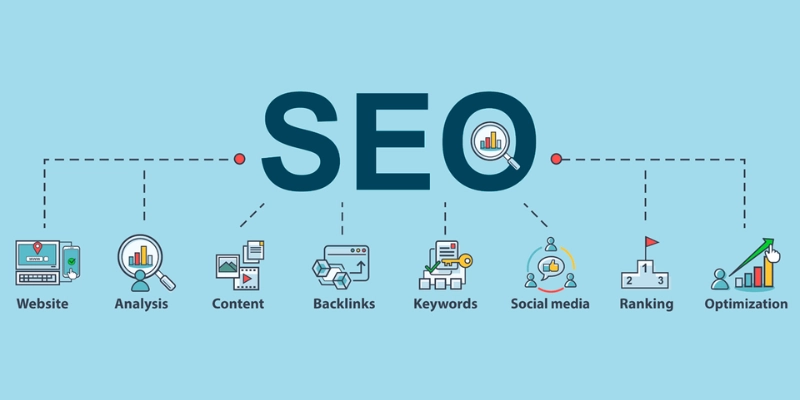
SEO is the practice of optimizing your website and content to rank higher in organic (unpaid) search results on Google, Bing, and increasingly, AI-powered search engines like Perplexity and Google’s AI Overviews. When someone types ‘digital marketing agency in Lahore’ into Google, the businesses that appear at the top aren’t there by accident — they’ve invested in SEO services in Pakistan to improve their online visibility and attract more customers.
SEO in 2026 is built on four pillars: Technical SEO (site speed, Core Web Vitals, crawlability), On-Page SEO (content quality, keyword optimization, schema markup), Off-Page SEO (backlinks, brand mentions, authority), and the newest addition — AI Search Optimization (GEO) (structured content that AI search engines can extract and cite).
| CLICKMASTERS INSIGHT | SEO is the highest ROI digital marketing channel for most businesses. Unlike paid ads that stop the moment you stop spending, SEO compounds over time. A well-optimized page can generate leads for years from a single investment. |
Pay-Per-Click Advertising (PPC)
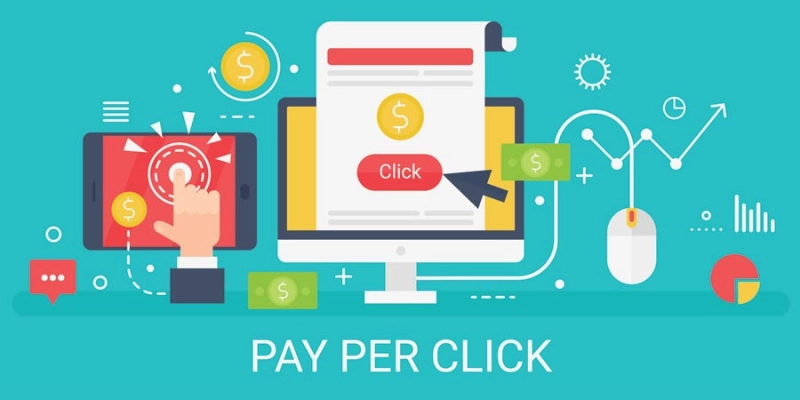
PPC (Pay-Per-Click) is paid advertising where you pay only when someone clicks on your ad. The most common platform is Google Ads, which places your ads at the top of search results for specific keywords. Facebook Ads, Instagram Ads, LinkedIn Ads, and TikTok Ads are also major pay-per-click channels that help businesses reach their target audience effectively.
The beauty of PPC is speed and intent targeting. You can launch a campaign today and have targeted traffic on your website by tonight. When someone searches ‘buy running shoes in Karachi,’ they have high purchase intent — and a well-placed PPC ad can capture that customer immediately. The average Google Ads return on investment is $8 for every $1 spent, according to Google’s own data.
Social Media Marketing
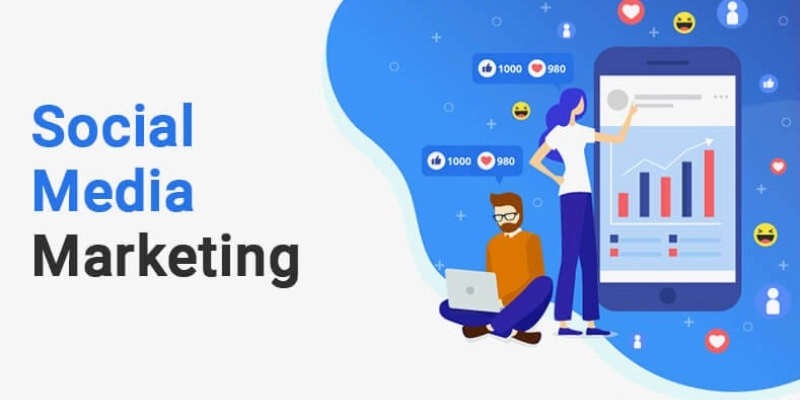
Social media marketing involves using platforms like Facebook, Instagram, LinkedIn, Twitter/X, YouTube, and TikTok to build brand awareness, engage audiences, and drive traffic or sales. In Pakistan specifically, Facebook and YouTube remain dominant, while Instagram is experiencing rapid growth among 18-35 year olds.
Social media marketing in 2026 is driven by authenticity. Polished, corporate content underperforms against real, human-centered storytelling. Short-form video (Reels, Shorts, TikTok) generates 3x higher engagement than static images on average, making video a non-negotiable element of any modern social strategy.
Content Marketing
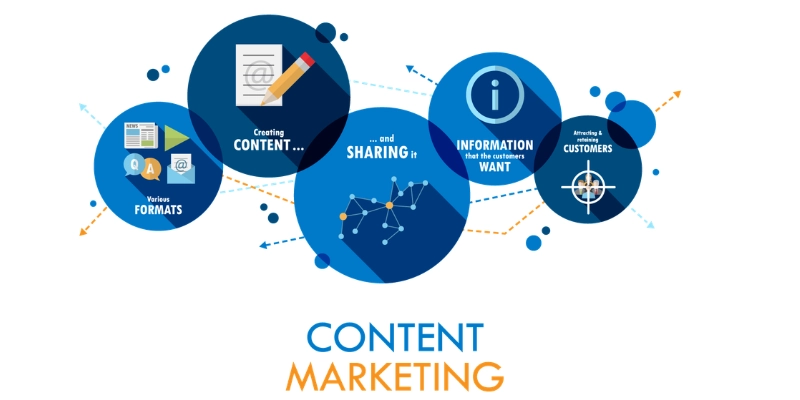
Content marketing is the creation and distribution of valuable, relevant content to attract and retain a clearly defined audience — with the ultimate goal of driving profitable customer action. This includes blog posts, guides, videos, podcasts, infographics, case studies, whitepapers, and more. Hiring a professional content marketing agency can help businesses strategize, create, and distribute this content effectively to reach the right audience and boost conversions.
Content marketing is the backbone of both SEO and social media. Without quality content, your SEO has nothing to optimize, and your social channels have nothing to share. Businesses that blog consistently generate 67% more monthly leads than those that don’t, according to HubSpot’s research. At Clickmasters, every content piece is built around a specific keyword cluster, business objective, and audience intent.
Email Marketing
Email marketing is the direct communication with subscribers via email — to nurture leads, share updates, promote offers, and build long-term customer relationships. Despite being one of the oldest digital marketing channels, email consistently delivers the highest ROI of any channel: an average return of $36 for every $1 spent, according to Litmus. Partnering with a professional team offering email marketing services ensures your campaigns are targeted, engaging, and effective.
Modern email marketing in 2026 is deeply personalized and automated. Tools like Klaviyo, ActiveCampaign, and HubSpot allow businesses to send the right email to the right person at exactly the right moment in their customer journey — whether they just signed up, abandoned a cart, or haven’t purchased in 90 days.
Influencer Marketing
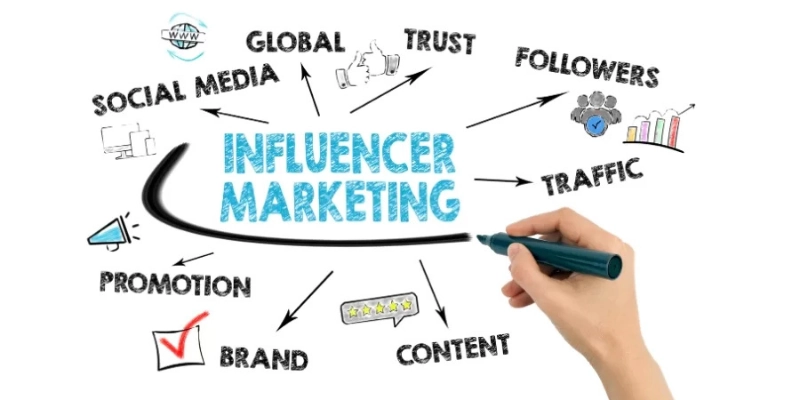
Influencer marketing leverages individuals with established online audiences — whether mega-influencers with millions of followers or micro-influencers with 5,000 highly engaged followers in a specific niche — to promote products and services authentically. Micro-influencer campaigns (influencers with 10K-100K followers) typically generate 60% higher engagement rates than celebrity partnerships, at a fraction of the cost.
Video Marketing
Video is no longer just a ‘nice to have’ — it is the dominant content format of the internet. YouTube is the second-largest search engine in the world. Short-form video on Instagram Reels and TikTok routinely outperforms all other content types on those platforms. In 2026, businesses that invest in video marketing see 49% faster revenue growth than those that don’t, according to Wyzowl’s Video Marketing Report. Working with a professional video marketing agency can help businesses create high-quality videos that engage audiences, build brand awareness, and drive measurable results.
How Digital Marketing Actually Works: The Customer Journey
Understanding digital marketing in isolation is useful. Understanding how it works together as a system is transformative. Every customer who purchases from a business online goes through a journey — from the moment they first become aware of a problem, to the moment they hand over their money and become a loyal repeat buyer.
The modern customer journey in 2026 rarely follows a straight line. A potential customer might discover your brand through an Instagram Reel, visit your website from a Google search three days later, open an email you sent, click a retargeted Facebook ad a week after that, and finally convert after reading a positive Google review. This multi-touch reality is why channel integration is the cornerstone of effective digital marketing.
The 5-Stage Digital Marketing Funnel
| 1 | AWARENESS. The prospect doesn’t know you exist yet. They have a problem, but may not be actively searching for solutions. Channels: SEO blog content, social media, video, influencer partnerships, display advertising. |
| 2 | CONSIDERATIONThe prospect knows their problem and is actively researching solutions. They’re comparing options, reading reviews, watching demos. Channels: SEO landing pages, YouTube videos, case studies, email nurture sequences, retargeting ads. |
| 3 | DECISIONThe prospect is ready to choose a solution. They’re looking for final reassurance — pricing, testimonials, guarantees, live demos. Channels: PPC ads (branded + competitor), landing pages, live chat, email offers, social proof. |
| 4 | RETENTIONThe customer has purchased. Now the goal is to ensure they’re satisfied, use the product/service, and come back. Channels: Email onboarding sequences, loyalty programs, SMS, social community. |
| 5 | ADVOCACYThe delighted customer becomes a promoter. They refer friends, leave reviews, share content, and become a free marketing asset. Channels: Referral programs, review management, user-generated content campaigns. |
The Biggest Digital Marketing Trends in 2026
The digital marketing landscape evolves faster than any other marketing discipline. Strategies that worked perfectly in 2022 may actively hurt you in 2026. Here are the trends every business and marketer must understand and act on right now.
AI-Powered Everything
Artificial intelligence has moved from ’emerging technology’ to ‘table stakes’ in digital marketing. AI now powers personalized email campaigns, predictive ad bidding, content generation, chatbots, customer service automation, and data analytics. Tools like Google’s Performance Max use machine learning to automatically optimize ad creative, targeting, and bidding across all Google platforms simultaneously.
But the most significant AI development for marketers is the rise of AI search. Google’s AI Overviews, Perplexity, ChatGPT, and Gemini are fundamentally changing how people find information — and therefore how businesses need to create content. Generative Engine Optimization (GEO) is the new discipline of optimizing content to be cited and featured by AI search engines, and it’s already becoming a critical skill.
The Dominance of Short-Form Video
TikTok, Instagram Reels, and YouTube Shorts have collectively redefined audience attention. In 2026, short-form video (15 to 90 seconds) generates higher organic reach, higher engagement rates, and increasingly, direct purchase conversions through TikTok Shop and Instagram Shopping features. Brands that haven’t invested in short-form video content by now are already behind.
Zero-Click Searches & Featured Snippets
A growing percentage of Google searches now end without a click — because Google provides the answer directly in the search results page through featured snippets, Knowledge Panels, People Also Ask boxes, and AI Overviews. This means ranking #1 no longer guarantees traffic like it used to. Smart SEO in 2026 means structuring content to WIN the featured snippet or AI Overview, so your brand gets visibility even without the click.
First-Party Data & Privacy-First Marketing
With third-party cookies being phased out, increasing GDPR enforcement globally, and growing consumer privacy awareness, businesses that haven’t built their own first-party data assets — email lists, SMS subscribers, loyalty program members, CRM databases — are in a precarious position. The businesses winning in 2026 are those that turned their websites into value exchanges: give us your email, get something genuinely valuable in return.
Hyper-Personalization at Scale
Consumers in 2026 expect digital experiences to feel personal. Generic ‘Dear Customer’ emails are ignored. Generic homepage experiences underperform. Using AI and behavioral data, leading brands now serve different content, offers, and experiences based on each individual visitor’s past behavior, location, device, and stage in the customer journey — at scale and in real time.
| CLICKMASTERS PERSPECTIVE | We’ve tested every major trend listed above with real clients. The one that consistently surprises business owners is how much impact GEO (Generative Engine Optimization) is already having — brands structured for AI citation are appearing in ChatGPT and Perplexity answers organically, driving qualified traffic that traditional analytics often misses. |
How to Build a Digital Marketing Strategy in 2026
Having channels without a strategy is like having a sports car without a destination. Here is the framework Clickmasters uses when building digital marketing strategies for new clients.
Define Your Business Goals
Before touching a single channel, define what success looks like in numbers. Is it 100 qualified leads per month? A 30% increase in online sales? 50,000 monthly website visitors? Every digital marketing decision should be traceable back to a specific business goal.
Know Your Target Audience
Build detailed audience personas. Who are your ideal customers? Where do they spend time online? What problems are they trying to solve? What search terms do they use? What influencers do they follow? The more precisely you understand your audience, the more efficiently your marketing spend works.
Audit Your Current Digital Presence
Before building anything new, assess what exists. Run a technical SEO audit, review your Google Analytics data, audit your social media profiles, and benchmark your current organic rankings. You can’t know where to go until you know where you are.
Choose Your Channels Strategically
You don’t need to be on every channel — you need to be dominant on the right channels. Choose 2-3 primary channels based on where your target audience actually spends time, your budget, and your resources. Master those before expanding.
Create Your Content Strategy
Map out content for each stage of the customer journey across your chosen channels. Develop a content calendar, assign responsibilities, and set production schedules. Consistency beats perfection in content marketing.
Set Up Tracking & Analytics
Install Google Analytics 4, set up Google Search Console, configure conversion tracking in your ad platforms, and establish your key performance indicators (KPIs). You can only improve what you can measure.
Execute, Measure & Optimize
Launch your campaigns, let data accumulate for at least 30-90 days, then analyze performance against your KPIs. Double down on what works, cut what doesn’t, and continuously test new approaches.
How Much Does Digital Marketing Cost in 2026?
One of the most common questions we hear at Clickmasters is: ‘How much should I budget for digital marketing?’ The answer depends entirely on your goals, industry, competition level, and which channels you prioritize. Here’s an honest breakdown.
| Channel | Small Business / Month | Mid-Size Business / Month | Avg. ROI Timeline |
| SEO | $500–$2,000 | $2,000–$8,000 | 3–6 months |
| Google Ads (PPC) | $500–$5,000 (ad spend) | $5,000–$30,000 | Immediate |
| Social Media Marketing | $500–$2,500 | $2,500–$10,000 | 1–3 months |
| Content Marketing | $500–$3,000 | $3,000–$12,000 | 4–9 months |
| Email Marketing | $100–$500 | $500–$3,000 | 1–2 months |
| Full Digital Strategy | $1,500–$8,000 | $8,000–$40,000+ | Varies by mix |
Note: Prices above reflect USD. Clickmasters offers competitive PKR-based packages for Pakistani businesses.
How to Choose the Right Digital Marketing Agency
If you’ve decided to partner with a digital marketing agency rather than build an in-house team, here are the criteria that separate great agencies from average ones:
• Proven Results with Case Studies: Any credible agency should be able to show you specific, measurable results they’ve achieved for clients similar to your business. Ask for traffic data, lead volume, conversion rates, and revenue impact.
• Transparent Reporting: You should know exactly where your money is going and what it’s producing. Monthly reports with clear KPIs, honest assessments of what’s working and what isn’t, and direct access to your own ad accounts are non-negotiable.
• Channel Specialization vs. Full-Service: Some agencies are specialists (SEO only, PPC only). Others are full-service. For most growing businesses, a full-service partner is more efficient because all channels reinforce each other.
• Communication & Responsiveness: Marketing moves fast. You need a partner who responds quickly, communicates proactively, and treats your business with the same urgency you do.
• Technical Capability: Modern digital marketing is deeply technical. The right agency should have in-house development capability to implement technical SEO changes, landing page optimizations, and tracking setups without delays.
• Cultural & Business Fit: The best agency relationships are true partnerships. Choose an agency that understands your industry, asks the right questions about your business goals, and treats you as a long-term partner — not just another retainer.
Conclusion: Digital Marketing is Not Optional in 2026
The digital marketplace in 2026 is more competitive than ever — but it also offers more opportunities than ever. The businesses that will win over the next decade are those that treat digital marketing as a core business function, not an afterthought. They invest in it consistently, measure it rigorously, and adapt it continuously.
Whether you’re starting from scratch or looking to scale an existing digital presence, the fundamentals remain the same: know your audience, show up where they are, give them genuine value, and make it easy for them to choose you. The channels and technologies change. The human desire to find solutions to real problems does not.
At Clickmasters, we’ve built our entire practice around one belief: great digital marketing creates real business growth. Not vanity metrics. Not hollow impressions. Real leads, real customers, real revenue.
GET IN TOUCH
Get 1 Free Consultation Call
Frequently Asked Questions About Digital Marketing
These questions are among the most commonly searched queries related to digital marketing. Optimized for AI search engines and Google featured snippets.
What is digital marketing in simple terms?
Digital marketing is any marketing that happens online — through search engines, social media, email, websites, or apps. It helps businesses reach their target audience, build brand awareness, and drive sales through digital channels.
What is the most effective form of digital marketing?
SEO (Search Engine Optimization) and email marketing consistently deliver the highest long-term ROI. However, the most effective form for your specific business depends on your industry, audience, goals, and budget. For the fastest results, PPC advertising can deliver immediate traffic. For long-term compounding growth, SEO is unmatched.
How much does digital marketing cost in Pakistan?
Digital marketing costs in Pakistan vary widely. A basic social media management package starts from PKR 30,000–50,000/month. Comprehensive SEO services range from PKR 50,000–200,000/month. Google Ads management typically requires a minimum ad budget of PKR 50,000–100,000/month plus agency fees. Clickmasters offers customized packages starting from PKR 40,000/month.
How long does digital marketing take to show results?
PPC advertising can show results within days of launching. SEO typically shows meaningful results in 3–6 months, with significant traffic and ranking improvements in 6–12 months. Social media growth usually takes 1–3 months to see consistent engagement trends. Email marketing can show results within days of your first campaign.
Is digital marketing worth it for small businesses?
Absolutely. Digital marketing is particularly powerful for small businesses because it allows precise targeting of a specific geographic area or niche audience, with measurable results and a budget that scales with your business. Many small businesses have outgrown competitors 10x their size using smart digital marketing.
What is the difference between digital marketing and social media marketing?
Social media marketing is one component of digital marketing. Digital marketing encompasses all online channels, including SEO, PPC, email, content marketing, video, influencer marketing, and social media. Social media marketing specifically refers to marketing activities conducted through social platforms like Facebook, Instagram, LinkedIn, and TikTok.
What skills are needed for digital marketing?
Core digital marketing skills include: SEO and keyword research, Google Ads and Facebook Ads management, content writing and strategy, analytics and data interpretation (Google Analytics 4), social media management, email marketing automation, basic graphic design, and increasingly — AI tool proficiency and prompt engineering.
What is digital marketing for a software house?
For a software house, digital marketing serves two purposes: generating leads for development services (custom software, web apps, mobile apps), and building brand authority as a technical expert in a specific niche. Effective channels include B2B-focused LinkedIn marketing, SEO for technical service keywords, content marketing demonstrating expertise, and case study-driven PPC campaigns.