Blog

Your blog category

SEO-Friendly URL Structure
Blog

The Role of SEO-Friendly URL Structures in Ranking

URL structure optimization is necessary to boost user experience and search engine rankings. A properly structured URL makes it easier for users to understand a web page’s content and for search engines to find it. URL optimization is a fundamental aspect of SEO services in Pakistan, helping businesses improve crawlability, relevance, and overall search visibility. This article will explore what a URL is, its components, and the best practices for creating URLs. What is a URL A page’s internet address is called a Uniform Resource Locator (or URL). The URL is primarily used to ‘carry’ users from one web page to another. Fundamentally, it is where browsers are directed to find content on the web. It’s commonly called a web address or a URL (Uniform Resource Locator), an abbreviation. Parts of a URL It’s important to understand the parts of a URL for the optimization work. A typical URL consists of several components: Why Optimize URL Structure? Optimizing your URL structure is vital for several reasons: Best Practices for URL Structure Optimization To create SEO-friendly URLs, consider the following best practices: 1. Keep It Short and Descriptive: URLs are easier to read and type with a shorter URL. As you write your post, aim to include relevant keywords that describe the page’s content without too many words. Example: https://www.example.com/seo-tips is better than https://www.example.com/index.php?id=12345. 2. Use Hyphens to Separate Words: Search engines recognize spaces instead of underscores and hyphens. Example: Instead of https://www.example.com/seo_friendly_url, use https://www.example.com/seo-friendly-url. 3. Utilize Lowercase Letters: URLs are case-sensitive, so using all lowercase letters prevents confusion and duplicate content issues. Example: Instead of https://www.example.com/Blog, always use https://www.example.com/blog. 4. Include Keywords: Search engines prefer relevant keywords at the beginning of URLs. Example: Don’t use https://www.example.com/page123 but instead https://www.example.com/keyword-research-guide. 5. Avoid Dynamic Parameters When Possible: Static URLs are preferable because they’re easy for users and search engines to read. If you need dynamic parameters, keep them small. Example: Rather than https://www.example.com/products?category=shoes, use https://www.example.com/shoes. 6. Limit Folder Depth: No one likes too many folders, so a flatter structure with fewer folders will make it easier for your users and search engines to navigate your site. Example: Don’t nest endlessly like https://www.example.com/category/year/month/tips; use https://www.example.com/blog/2025/01/tips instead. 7. Use HTTPS Protocol: HTTPS secures your site’s data from users and elevates your SEO ranking. 8. Avoid Keyword Stuffing: While including keywords in your URL is important, too many can get penalized by search engines. Examples of Good vs. Bad URLs Good URL Bad URL https://www.example.com/how-to-optimize-url https://www.example.com/index.php?id=456 https://www.example.com/blog/seo-tips https://www.example.com/blog?post=7890 https://www.example.com/products/shoes https://www.example.com/products/category12345 How Does URL Structure Affect SEO Performance? The URL structure has a great impact on a site’s SEO performance. An optimized URL contributes to a positive user experience and higher search listing. That’s right—the URLs themselves can tell you what the page’s content is and how relevant it is to search queries. Here are key factors on how URL structure affects SEO performance: Readability This lets users know what a page is about and higher click-through rates. For example, https://www.example.com/seo-tips is more informative than https://www.example.com/page?id=123. Keyword Inclusion This means that including relevant keywords in your URLs allows search engines to identify the page as relevant to those keywords and rank it accordingly. For example, working keywords like “URL structure” into your URL can help with search visibility results. Length Matters Shorter URLs perform better in search rankings, though they are not an official ranking factor. They indirectly affect SEO success by enhancing user engagement and attraction, making them easier to share and remember. Consistency and Structure A logical URL structure helps users and search engines navigate the site. Your pages use terms consistently, and a clear hierarchy helps search engines index your pages more effectively. How Does URL Parameter Handling Affect SEO? Maintaining SEO integrity when dynamic content is in play requires URL parameter handling. Regarding URLs, you often use parameters to filter or sort by data (for example, ?sort=price). However, improper handling can lead to duplicate content issues and indexing problems: How Does URL Hierarchy Impact SEO Rankings? URL hierarchy is a part of website structure, and URL organization is referred to as hierarchy. A well-defined hierarchy not only improves user experience but also enhances SEO rankings: Logical Structure It makes sense for users and search engines to navigate your site in a clear hierarchy. For example, a URL structure like //www.example.com/blog/seo-tips tells that “SEO tips” is part of the “blog” section. Depth of Clicks You can add SEO value by reducing the clicks needed to reach important pages (click depth) to improve your SEO rankings. Normally, you can find important content from the homepage with at most three clicks. Internal Linking A strong URL hierarchy and internal linking strategies become easy because link equity is spread throughout your site. Since search engines don’t crawl this deep, this will increase the visibility of the deeper pages. User Engagement A well-segmented URL improves user engagement by allowing them to quickly navigate to the right content. Although search engines judge page quality based on bounce rates, they favor higher engagement metrics. How URL Redirection Affects SEO Rankings A URL redirection can affect SEO rankings strongly; unless you want to shoot your SEO rankings, you must be careful. Redirects will be properly implemented to direct users and search engines to the right pages, maintaining the authority and ranking of your content. Here’s how URL redirection affects SEO rankings: How SEO-Friendly URL Structures Impact Rankings SEO-friendly URL structures help rankings by offering users and search engines clarity and context. Here are some key aspects: Readability and Relevance The easier it is to read and understand URLs, the easier it is to anticipate what users will find on a page. Keywords in your URL matter because if a keyword is in your URL, then when Google indexes your page, it knows what your article is about and consequently improves rankings. Keyword Optimization  URLs are a factor that search engines use when figuring out whether or not a page rank is relevant to a certain query. This is particularly

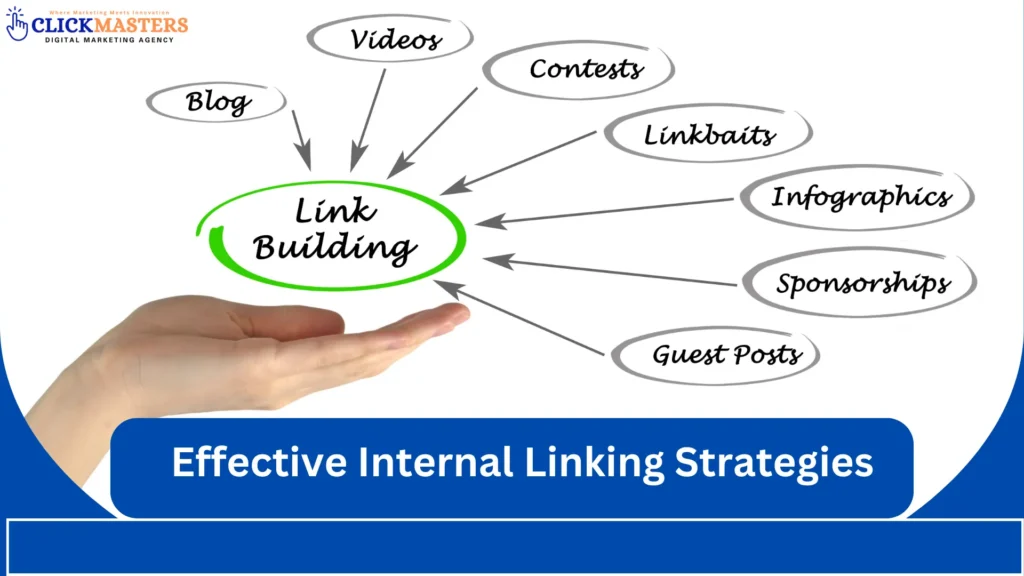
effective internal linking strategies
Blog

Effective Internal Linking Strategies for Technical SEO

Internal linking is commonly associated with search engine optimization (SEO), which refers to linking different pages of a particular website. This strategy also makes browsing your site easier for users and helps search engines understand its structure and content. Internal linking is a key component of Technical SEO, as it improves crawlability, distributes link equity, and enhances overall website architecture. This article will explain internal linking, why it matters, ways to optimize the process, and how to create a solid internal linking plan. What is Internal Linking? Internal linking involves linking one webpage to another on the same site. These links are important for defining a website layout and basic structure. The internal definition further explains that such links help visitors find the content they are interested in while aiding search engine spiders when they index various pages. Best Practices for Internal Linking To create an effective internal linking strategy, consider the following best practices: Monitor Your Links: Inbound link checkers or certain WordPress plugins are regularly used to check the health of internal links. Verifying that all the links are working and do not show a 404 page is imperative to your site’s user experience and SEO health. How to Implement Internal Linking in WordPress If you’re using WordPress, here’s how to create internal links: How Internal Linking Affects Google Ranking Google combines several factors to decide the status of web pages in search engine results. Internal links play a significant role in this process by: How Internal Linking Strategies Help with Technical SEO Technical SEO internals are one of the strategic procedures that meaningfully contribute to site performance and ranking. A correct internal linking plan can enhance site navigation, search engine crawl productivity, and link equity distribution. Since internal linking is an important part of technical SEO, this article discusses how it can help your site. 1. Enhancing Crawlability In terms of advantages, internal linking can improve the ability to crawl. So, when do search engines like Google provide the links and find your site’s content? This means that when internal linking is well established, you give a map to the crawlers where they can find their way around the various pages. This ensures that all conceivable content is discoverable and can rank within the search results. If your website can be compared to a city, internal links are roads connecting particular districts. If threads (links) point to such areas (pages, in this case), search engines may unearth them. Internal linking guarantees that crawlers can reach your sites, helping them achieve increased visibility in SERP. 2. Distributing Link Equity Link equity, or “link juice,” is the value passed through the hyperlink between two websites. Internal linking is important in ensuring this link juice is distributed throughout your site. By connecting the high-authority pages to the pages that may require a ranking boost, you can always do so to other pieces that may lack prominence. For example, if you have a blog post that has received many backlinks, linking it to a less popular or less authoritative one will spread authority. This process helps enhance your website’s health, making it easy for search engines to locate and rank it high. 3. Establishing Content Hierarchy Using internal links also makes it easy to develop a clear content architecture for your website. Instead, you connect rather large category-oriented pages to specific content, which makes navigation easier for search engines. This clarity helps search engines better understand the relative importance of each of your pages, which will, in turn, help you rank better. Since the pages are hierarchically connected, the links to the related information can be obtained with further improved experience and interaction with the content. A related layout is a logical hierarchy that benefits users, informing search engines which pages are always the most important for visitors. 4. Improving User Experience Proper internal linking increases the user experience, as users will find browsing the site easier. If normal users come across relevant links within your content, they are bound to dig deeper into other pages and not just run away as soon as they reach one. Extended time spent on the site and want-away rate reduced, which produces a sign of approval for search engines as valuable content. By offering ways to generate even more information, you increase the general level of satisfaction among your users and make them come back. 5. Boosting Keyword Optimization Just like external links, internal links are also used to optimize keywords. Whenever an internal link is placed, descriptive anchor text should provide some background about the website’s contents. This aids the search engine in establishing a relationship between the various pages and increases the possibility of achieving key phrases. For example, using proper anchor text to connect to a web page named “SEO strategies” when writing “effective SEO strategies” informs search engines about what will be on that page. This makes sense because the strategic use of keywords within internal links yields better visibility in search results. Conclusion Internal linking is a key technical SEO strategy that improves crawlability, distributes link equity, and enhances user experience. It helps search engines understand site structure, boosts less-visited pages, and strengthens keyword relevance through descriptive anchor texts. A well-planned internal linking strategy improves rankings, visibility, and engagement, making your website more competitive in search results. FAQs What is internal linking in SEO? This is the process of using hypertext links within a particular website to give access to another web page within the same site. It also aids in easy navigation and allows search engines to crawl the site. How does internal linking improve crawlability? Internal linking also provides a full topology of links between the pages so that a search engine’s crawler can easily navigate your website. This ensures that all material on the website is searchable and can be trusted to be ranked by search engines. What is link equity, and how does it relate to internal linking? Link equity, or link juice, is

SEO with Alt Text
Blog

Maximize Your SEO with Alt Text Strategies

Understanding Alt-Text for Images Image texting is also vital in web accessibility and even for search engine optimization. This is a textual version of images on a webpage through which search engines and visually impaired users can know what an image is all about. So, in this article, let’s look into what alt text is, why it is important, how to apply a proper technique, and some SEO-optimized tips on the images. What Is Alt-Text? In simple terms, alt-text is added to an HTML image tag to describe a particular image. When the image fails to load, this text message is displayed to give clients an idea of what the image contains. Some people call it an alt tag, but that is incorrect; the correct terms are alt attribute or alt text. Optimizing alt text is an important part of SEO services, as it helps search engines understand images and improves website accessibility. Importance of Alt Text How Do Images Contribute to Text? Images are useful supplementary materials because they visually represent the wider context of the textual content and make it more appealing. They can also split large chunks of text and make content more readable and easier on the user’s eyes. However, the information transmitted with the help of these pictures may remain unexplained, which will frustrate the audience, who cannot visually understand these graphics, tables, or other objects. How to Write Effective Alt Text When creating alt text for images, consider the following guidelines: How to Add Alt Text in HTML To add an image with alt text in HTML, use the following syntax: The following code snippet makes all your images SEO-friendly by properly indexing them. Common Mistakes to Avoid Optimizing Alt Text for Images SEO Using alt text for images is one of the great components of improving your website’s search engine optimization. Good alt text benefits the visually impaired in using the site, while to the search engines, they assist in presenting the content of images and thus are a plus to the search rankings. Here is how effectively optimizing alt text can make a huge difference in your SEO plans. Importance of Alt Text in SEO Best Practices for Optimizing Alt Text To effectively optimize alt text for images SEO, consider the following best practices: Examples of Good and Bad Alt Text Here are examples that illustrate effective versus ineffective alt text: The second example has a simple description that adds more context and relativity, which can make a difference in your SEO rank. Conclusion Therefore, it is crucial to learn how the role of alt text is performed in the context of accessibility and SEO. When assigning alt text, it must be descriptive and meaningful to add value to your site visitors’ experience while also helping to improve your site’s SERP rankings. Ensure you also do not forget that properly optimized images can go a long way in your content plan. Adopting these strategies ensures that a site serves the needs of users and search engines while enriching content presentation. FAQs What is alt-text? Alternative text, or alt text, is a text we use instead of an image if the image cannot be loaded. It assists the visually impaired in recognizing the content of images and helps search engines index the image content. How do images contribute to text? Images serve as illustrations, can divide large text sections, and make the content more interesting. However, the narrative conveyed in these images may be lost if no alt text is included. What is an alt tag? An alt tag, also known as an alt attribute or alt text, is placed within an HTML image tag to convey a description of the image. How do you write alt text for images? Alt text should describe the “what of the image” and include keywords without repeating what has already been said. It should be brief and relevant to the material in between and concentrate on the target of the given page or section. What is the purpose of alt text for SEO? The alt text helps the search engine better index images, adding context to the images and contributing to greater ranking in image-specific searches and general SEO. How does optimizing alt text for images help SEO? Optimizing alt text makes it more effective for indexing images, increasing keyword relevancy, and increasing user interaction. Its advantages include making it the anchor text for linked images and assisting in achieving better search engine rankings. What are the best practices for alt text? The best practices are as follows:  Do not repeat descriptions, and provide a specific description per image. What is the difference between alt text and alt tag? It is important to note that while most of the time people refer to it as the “alt tag,” technically, it is the alt attribute or alt text inserted into the image tag in HTML. How do you add alt-text in HTML? To add alt text in HTML, use the <img> tag with the alt attribute: <img src=”image-filename.jpg” alt=”A brief description of the image”>. Why is alt-text important for accessibility? Alt text is essential for accessibility, as it helps the visually impaired images of content through screen readers.

Hreflang Tags in SEO
Blog

Role of Hreflang Tags in SEO Optimization

Larger websites operating in multiple languages and regions would need hreflang tags to effectively communicate language and regional focus to search engines like Google. These tags help to ensure that users are directed to the correct version of a page based on their language and geographical location. Implementing hreflang tags correctly is an important aspect of international SEO services, as it helps improve user experience and search visibility across different markets. In this article, we will examine this topic in more detail: what are hreflang tags, and how can their utilization be effective according to modern SEO trends? What is Hreflang? Hreflang is an HTML attribute that indicates the type of web page and, optionally, the country of that language. This allows search engines to know that the same page is available in other languages or locations so that people can be given the right one to view. Purpose of Hreflang Tags Hreflang Tags are very important in digital marketing agency. Hreflang tags serve several key purposes: Implementing Hreflang Tags for Multilingual Websites Using hreflang tags for websites in multiple languages is important for informing Google about language and region targeting. This assists in rerouting the users to the appropriate version of your webpage, depending on their language and location. Here are the steps and methods to implement hreflang tags effectively for multilingual websites: Methods of Implementation There are three primary methods to implement hreflang tags: 1. In the HTML Head It is possible to insert hreflang tags into the HTML code right into every webpage’s <head> section. This method is very simple and effective, and in this way, we know that the tags will always be loaded when the page is loaded. <head><link rel=”alternate” hreflang=”en” href=”https://example.com/en/page1″><link rel=”alternate” hreflang=”de” href=”https://example.com/de/page1″></head> 2. In the XML Sitemap According to the testing results, bigger sites should also consider implementing hreflang annotations in the XML sitemap since they are more effective. The management of multiple pages and their alternations becomes easier through this method. <url><loc>https://example.com/en/page1</loc><xhtml:link rel=”alternate” hreflang=”de” href=”https://example.com/de/page1″/></url> 3. In the HTTP Header For any other type of file, meaning a file other than an HTML file, such as a PDF file, you can use the HTTP header to point to reflang tags. Link: <https://example.com/de/page1>; rel=”alternate” hreflang=”de” Using Multilingual Plugins It is easy for websites developed based on platforms such as WordPress to implement hreflang tags using multilingual plugins. There are plugins, for instance, MultilingualPress and TranslatePress, which create hreflang tags whenever you are developing new language versions of the site. Best Practices for Hreflang Implementation 1. Bidirectional Links Out of the two, hreflang tags must be two-way tags. If an English page links to a German one, the German page has to link back to this English page. This helps websites teach search engines about pages related to the website or blogs. 2. Self-Referential Tags Every page should include an hreflang attribute that points to the same page. This is useful to search engines, as it ensures that you own the primary and substitute structures of the webpage. 3. Use of X-Default Tags The tag x-default is used when no translated variant suitable for a given user exists to provide a general landing page or an appropriate page variant. Although Google does not strictly require this, it is encouraged so that when the user’s language or country is not detected, they are taken to a relevant page. <link rel=”alternate” hreflang=”x-default” href=”https://example.com/”> 4. ISO Codes for Country and Language Specifically, the regions should reflect the ISO 639-1 language codes and ISO 3166-1 alpha-2 country codes. For example, “en-US” is for users located in the USA with an English language preference, “de-DE” is for users in Germany with a German language preference, and “zh-CN” is for users in China with a Chinese language preference. 5. AI for Hreflang AI can also be used to auto-optimize the implementation of hreflang tags. AI tools can analyze your site structure and content and recommend the right language and region targeting strategy. Also, using AI technologies for hreflang generation and management is easier if you work with a massive website containing hundreds or thousands of pages with language versions. 6. Hreflang and SEO Using hreflang tags for international SEO is crucial because these tags assist search engines in identifying how your bilingual or bi-continental site is organized. When used correctly, hreflang tags recommend your website to the search results for other languages and regions, increasing your presence and site visits internationally. 7. Canonical and Hreflang Tags Together When using both the canonical version and hreflang tags to overcome duplicate penalties, they must not overlap. The canonical tag must point to the page’s desired version, whereas hreflang tags indicate the available linguistically or geographically different versions of the page. <link rel=”canonical” href=”https://example.com/en/page1″><link rel=”alternate” hreflang=”de” href=”https://example.com/de/page1″> Hreflang Sitemap Purpose A sitemap with hreflang annotations is a single resource that allows you to describe a site’s language and regional versions and control these changes. This makes hreflang management and update implementation much easier, particularly on big sites. When people use hreflang tags correctly in their sitemaps, they ensure that search engines can easily crawl all the content versions. Tools for Hreflang Implementation Several tools and plugins can simplify the process of adding and managing hreflang tags: Hreflang Tags and International SEO Hreflang tags are part of global SEO best practices. They help Google distinguish a page’s language and geographical targeting. These tags are useful for websites, available in more than one language and/or country, because they allow you to define which language and country the site visitor is located in, directing them to the proper version of the page. What are Hreflang Tags? Hreflang tags are HTML attributes that indicate the language of a webpage and, optionally, the region of the given web page. They consist of three main components: For example: <link rel=”alternate” hreflang=”en-US” href=”https://example.com/en-us/page1″> Impact on International SEO Hreflang tags have several key impacts on international SEO: Best Practices for Implementation Conclusion Hreflang tags, as you have seen, are

free website hosting
Blog

Best Free Website Hosting Services to Start Your Website in 2025

Starting a website has never been easier, especially with the rise of free website hosting services. Whether you’re a beginner looking to create a website, a small business owner testing the waters, or a student trying out web development, free hosting services and domain options provide an excellent starting point in 2025. These web hosting services allow you to build and host your website without any initial cost. Let’s dive into the top free web hosting services, key features to look for, and how to make the most of them. Top Free Web Hosting Providers for 2025 Regarding free web hosting and domain hosting, many hosting providers offer generous plans to help you launch your website without breaking the bank. Some of the top options in 2025 include, especially for those looking to boost their digital marketing efforts, are Free Web Hosting Free web hosting allows you to create and manage your website without any initial cost. While basic, it offers essential features like unlimited bandwidth, support for WordPress, and is a great starting point for integrating SEO services to help boost your website’s visibility. Free Web Hosting and Domain Many free web hosting and domain providers offer services that let you launch a website with no upfront investment. Some include free subdomains, while others provide a custom domain with limited features. Free Website Hosting Free website hosting gives you access to basic hosting features like website builders and SSL certificates without paying any fees. It’s perfect for testing out website ideas or personal projects. Free Website Hosting and Domain With free website hosting and domain, you can start your site without worrying about costs. These services typically offer free subdomains or limited custom domain options to get you started. InfinityFree InfinityFree offers free hosting services and domain hosting options with unlimited bandwidth, free SSL, and a 1-click installer for popular platforms like WordPress. This free hosting plan allows you to host your website for free with no ads on your site. Wix Wix is another popular free hosting service. With its easy-to-use website creation tool, you can create a website and host your domain for free. It also includes free subdomains and other essential tools to help you manage your site. Weebly Known for its drag-and-drop website builder, Weebly offers a free web hosting plan with basic features. While it provides a free subdomain, you’ll need to upgrade if you want a custom domain name. WordPress.com WordPress is the world’s most popular website builder, and its free plan allows users to create a blog or a simple website with basic features. It includes a free subdomain, and you can also upgrade to a premium web hosting plan later to get a custom domain. These free hosting services are great for people looking for budget-friendly options to test their ideas or start a simple website. However, as your site grows, you might want to explore paid hosting plans for advanced features like increased storage, dedicated customer support, and enhanced security. Essential Features to Look for in Free Hosting Services Not all free hosting services are created equal. To choose the right one for your needs, consider the following features: Unlimited Bandwidth and Free Domain Names Many free hosting services offer unlimited bandwidth, which means your website can handle a larger volume of traffic without crashing. It’s especially important if you’re expecting visitors or growing your online audience. Additionally, some services provide free domain names or subdomains as part of their plans, though you might need to upgrade to a premium hosting plan for a custom domain. SSL and Security Features Security is one of the most important aspects of hosting your website. Even with free hosting, look for providers that offer a free SSL certificate to ensure your website is secure and your visitors’ data is protected. SSL encryption is essential for building trust and boosting your website’s SEO ranking. PHP and MySQL Support For those who want more control over their website and its functionality, support for PHP and MySQL is a must. Many free web hosting providers offer these features, allowing you to build dynamic websites and run content management systems like WordPress. Without PHP and MySQL support, your options for customization may be limited. How to Choose the Best Free Web Hosting for Your Website When it comes to selecting the best free hosting plan, it’s important to consider several factors: Ease of Use: If you’re a beginner, look for a hosting provider with a user-friendly control panel and easy-to-use website builders. Reliability: Ensure the web hosting service offers reliable uptime to keep your website accessible. Uptime guarantees are important for your website’s success, especially if you are running a business or growing an audience. Support for CMS Platforms: If you plan to use a platform like WordPress, check if the host supports it, along with PHP and MySQL databases. Scalability: Consider whether the hosting provider offers easy upgrade options if your website grows, such as adding more storage, bandwidth, or a custom domain. Evaluating Control Panel and PHP Support A control panel is essential for managing your website effectively. Popular control panels like cPanel make it easier to manage your files, databases, domains, and emails. Additionally, look for hosting providers that support PHP, as this is essential for dynamic websites and using CMS platforms like WordPress. Why Opt for Free Web Hosting in 2025? Opting for free website hosting in 2025 is an excellent choice for individuals and small businesses looking to get online without any initial investment. Free web hosting services provide everything you need to get started with a website, including FTP access, site builders, and unlimited bandwidth. As you grow, you can always upgrade to a paid hosting plan for additional features. Maximizing Your Free Hosting with Advanced Features While free web hosting plans come with basic features, many providers offer advanced tools that can enhance your website. These features might include free SSL certificates, the ability to integrate third-party tools, or access to premium plugins for better functionality.

structured Data Markup
Blog

Structured Data Markup | Complete Guide

The implementation builds on the dynamics of structured data to promote the visibility and efficiency of your website in search engine results. On the other hand, structured data markup seems to be a complex area of digital marketing, especially in the context of enhancing the capabilities of the search engine’s algorithms. In this article, you will learn what structured data is, why it matters for SEO, and how it is crucial for generating rich snippets that can increase CTR. Structuring your data is, therefore, a way of ensuring the content you put out there is properly indexed and stands a chance of grabbing the users’ attention and getting them to click through to your site. Understanding Structured Data for SEO What is Structured Data and How Does It Affect SEO? Structured data can be described as the method or format by which content on a web page is formatted and tagged. HTML enhances the capability of the search engine to read the content properly, which is very important in growing the site’s impressions of SERPs. Applied through formats Schema.org, JSON-LD, or Microdata, structured data defines the content of a webpage – products, reviews, events, etc. The Importance of Structured Data for SEO Success Incorporating structured data is crucial when everyone wants to optimize their sites better. It may not be a direct factor in climbing to the top of the rankings, but it plays a huge role in the visibility of your content in search. Structured data has increasingly become a treasure chest of SEO strategies. It helps search engines better understand the material provided to them and improves a website’s overall user experience. Implementing structured data correctly is an essential part of modern SEO services, as it can enhance search visibility, generate rich results, and increase traffic to a website. The Role of Structured Data in Rich Snippets What is the Role of Structured Data in Rich Snippets and SEO? Firstly, structured data is useful because it helps improve the rankings of Web content through rich snippets. In turn, structured data means that a page contains certain information marked according to the Schema.org vocabulary to give the engines clear hints regarding the page’s content. This generates rich snippets, enhanced search results, and extra information such as ratings, images, and prices. Enhancing User Experience with Rich Snippets through Structured Data Structured data significantly improves users’ experience while positively affecting the search engine’s handling of search activity. Rich snippets allow users to get more descriptive information; sometimes, graphic content is displayed on the SERPs. This provides users with more information, which assists them in avoiding rebounding on a link before getting more information. Structured data helps generate high-quality snippets that work, such as SEO and usability. If a website adopts structured data appropriately, it enhances its presence on the results pages and increases traffic through the best information display. Implementing Structured Data Markup Best Practices for Structured Data Implementation Organizing the site with structured data markup is most beneficial. If done right, that will help improve the SEO rankings. Here are some best practices to follow: How to Add Structured Data for SEO Effectively To add structured data markup effectively, follow these steps: With these guidelines highlighted and a systematized procedure followed, you should be able to create proper structured data markup for SEO purposes and increase user engagement on your website. Types of Structured Data Markup Must-Have Schema Types for Your Homepage Therefore, structured data on the homepage must be implemented to boost visibility on your site. Here are some must-have schema types: Exploring Various Schema Markups: From Product to FAQ Structured data includes many schema categories appropriate for various content formats. Here are some notable examples: Therefore, using different structured data markups is crucial for website SEO optimization. Using the About and indexes options as Must Use schemas on the Home Page and exploring other related markups recommended for different content types, a site’s visibility in SERPs and users ‘engagement with it can be greatly improved. Utilizing Schema Markup Generators for Easy Implementation Structured data creation can be adopted with the help of schema markup generator tools. These tools streamline the process, allowing users to generate valid markup without extensive coding knowledge: With the help of these tools and resources, the website owner is ready to implement structured data markup and perform a highly accurate and valuable job in their SEO process. Measuring the Impact of Structured Data on SEO Analyzing the Effects of Structured Data on Click-Through Rates Structured data plays a major role in click-through rates (CTRs) by improving how web pages are displayed in the SERPs. If done properly, structured data can help make content qualify for the ‘rich snippets,’ which are elegant, information-packed results in a search that are distinct from listings. Using statistics of optimized pages with structured data against the non-optimized ones makes website owners understand the effects of structured data on their CTRs. Understanding How Structured Data Influences Search Rankings Structured data is not a distinct SEO factor for search engines like Google. However, it contributes significantly to improving search result positions and is thus an indirect selection factor. In addition to supplying simple, direct metadata about a page’s content, structured data also helps search engines understand the page’s context. Google Search Console shows changes in impressions, clicks, and other aspects linked to implementing structured data on websites. Generally, impressions and CTRs serve as KPIs that truly reflect how structured data infrastructure enhances the performance of businesses’ SEO operations. Constantly analyzing structured data helps optimize such strategies and even enhances the opportunities that exist jointly with the website’s improved positioning and increased popularity among users. Future Trends in Structured Data and SEO The Evolving Landscape of Structured Data in Digital Marketing This brings us to 2025 when the trends in structured data are gradually changing due to new developments in AI and a focus on content that is readable to machines. Structured data has evolved from being just one of the

Meta Tag Optimization for SEO Success
Blog

Meta Tag Optimization for SEO Success

Understanding Meta Tags and Their Impact on Technical SEO Meta tags are parts of the HTML code of the webpage that contain important information for both the search engine and the visitor. It strongly determines how the search engines crawl and display a particular web page when shown in the ranking results. What Are Meta Tags? Meta tags are used and placed between the HTML <head> brackets. They include various types, such as: These tags can help search engines learn more about a page and its contents while indexing and ranking it. How Do Meta Tags (Meta Title and Description) Impact Technical SEO? Technically, meta tags always have a significant presence and effect on SEO. Here’s how they contribute: Learning meta-tag optimization is an essential aspect of any successful SEO services strategy. Appropriate meta titles and descriptions help website owners improve their site’s visibility, attract more qualified visitors, and increase click-through rates from the top positions of the SERP. The Role of Meta Tags in Search Engine Optimization Why Are Meta Tags Important for SEO? Meta tags are very useful in optimizing the website to increase the number of views in a search engine results list. They act as an interface between the page’s content and a search engine to relay important information. Here are key reasons why they are vital: Meta Tags Impact on Technical SEO: Key Insights The subject of meta tags is not limited to simple SEO activities but concerns itself with technical SEO. Here are some insights into their significance: Best Practices for Optimizing Meta Tags for Technical SEO Optimizing Meta Tags for Technical SEO: Essential Strategies To effectively optimize meta tags for technical SEO, consider the following strategies: Common Mistakes to Avoid in Meta Tag Optimization It is important not to disturb the rules of successful SEO to avoid problems with meta-tag optimization. Here are some mistakes to avoid: Meta-tag optimization can increase your website’s technical SEO effectiveness, and the best practices and typical errors outlined above should be used and omitted accordingly. Essential Meta Tags for Effective SEO The Most Important Tags for SEO Success Meta tags are very important, especially when it comes to ranking websites or pages that are being displayed by the search engine. Among the most critical meta tags are: Meta Title Tag: The First Impression in SERPs The meta title tag is the most important part of SEO. It functions as the blue link title displayed in the search engine result pages – SERPs and contributes greatly to user interactions. A strong title tag should: When you optimize your title tag, it underlines the entire compressed version, giving a more overall impression when clicked. This leads to increased CTR and better rankings. Crafting the Perfect Meta Description A meta description is one of the primary features used in website optimization since it determines users’ access to a particular site. Here are key points to consider: Stick to these tips to maximize the usability of your meta tags, which will ensure higher organic traffic and better site ranking on the search engine. Advanced Techniques in Meta Tag Optimization Using Robots Meta Tag for Better Indexing Control It is always important to note that the robot meta tag is one of the most effective mechanisms for managing how search engines interface with your site. What is more, there are special structural tags that allow you to define which pages should be indexed and whether links on such pages should be: “index,” “noindex,” “follow,” and “nofollow.” This is particularly useful for: HTML Meta Tags: Structuring Your Website for Success HTML meta tags are essential for successfully and appropriately organizing a webpage and SEO. They are critical to supplying information both to the search engine and to the user of the search engine. Key strategies include: Therefore, using these innovative meta-tag methods can greatly enhance your website’s quality, search engine result ranking, organic traffic, and user experience. Measuring the Impact of Optimized Meta Tags How to Evaluate the Effectiveness of Your Meta Tags It may help to know its usefulness once you have created and implemented your meta tags for your SEO analysis. Here are key methods to measure their performance: Tools for Tracking Meta Tag Performance in SEO Moreover, this tool enables one to track the efficiency of the meta tags used properly and easily. Here are some effective options: Conclusion Meta-tagging remains equally one of the most effective existential tactics when optimizing your website for success in the complex and dynamic world of search engine marketing. Learning how to create good title tags and meta descriptions increases your SEO because well-formed ones will help increase the rank of the respective site to certain search engines and create a better presentation when a user comes across them.

Canonicalization of URLs
Blog

Understanding Canonicalization of URLs

One of the important components of SEO is canonicalization, which addresses the issue of duplicated content on the site. When various URLs point to the same or similar pages, search engines may have problems with which one to always index. This is where the canonical tag comes into the picture. It enables webmasters to have a specified URL known as a canonical URL. This article will explain the canonical definition, the role of this standard, and the ways that make it possible to avoid getting into the problem of duplicate content. What is a Canonical Tag? A canonical tag is an HTML tag used to point at what should be considered a quality version of the current URL if there are several variations. It is placed in the <head> section of the HTML code and looks like this: XML <link rel=”canonical” href=”https://www.example.com/preferred-page” /> This tag informs the Search Engine that the URL is the only correct version of the content available. Link equity can be combined for the canonical URL, and overall SEO performance is enhanced when this tag is used. Purpose of Canonical Tags Canonical tags’ most important function is to avoid duplication of content. In some cases, when search engines index similar content in various URLs, the ranking capabilities of those web pages can be split. Using a canonical link helps webmasters understand that a particular version is important for displaying search results. How Does Canonicalization Help Prevent Duplicate Content Issues? Having multiple copies of the same material is also a problem that reduces the rank of a website and its visibility on search engines. Here’s how canonicalization addresses these concerns: How to Implement Canonical Tags Implementing canonical tags is straightforward but requires attention to detail: Practical Tips for Using Canonical Tags Here are some practical tips on how to use canonical tags effectively: Examples of Canonicalization in Action Many well-known websites effectively utilize canonicalization: Common Misconceptions About Canonical Tags Some common misunderstandings about canonical tags may cause incorrect utilization, even though these tags are crucial to websites. Understanding these can help you make better decisions about your website’s SEO. 1. Canonical Tags Are a Cure-All for Duplicate Content Most web admins believe that adding a canonical tag will solve all problems related to duplicate content. Canonical tags are extremely useful but are not a real solution for handling content well. For instance, if you have many similar pages, merging them into one primary Web page is advisable instead of completely relying on canonicalization. Also, applying canonical tags does not exclude non-canonical pages from indexing; it only states which one should be indexed. 2. Canonical Tags Affect Page Load Speed Yet another myth is associated with canonical tags: People believe their use will lead to a slower loading of pages. The enhancement of a site by attaching a canonical tag does not have significant effects. The tag is an HTML mark and does not bring extra load on the server, except for loading page details. Hence, appeals to performance issues must not prevent you from employing efficient canonical tags. 3. Canonical Tags Are Only for E-commerce Sites An authoritative tag is helpful for most websites with different variations, particularly e-commerce sites. However, since canonicalization is very helpful to e-commerce sites, any site with replicated content can effectively implement these tags. This includes Blogs, News sites, and Sites with multiple URLs that lead to the Same content through parameters or session IDs. Best Practices for Managing Canonical URLs To maximize the effectiveness of your canonical URLs, consider the following best practices: 1. Keep Your Canonical URLs Clean and Simple When setting your canonical URL, make it as simple as possible. No extra parameters or compound buildings need to be added. The cleanness of URL structure contributes to better usage by targeting audiences and makes a site easy for search engines to crawl and index. For example, instead of using a URL like https://www.example.com/products?color=red&size=large, choose a cleaner version such as https://www.example.com/products/red-large. 2. Monitor Your Site’s Performance Always check your canonical URLs’ relevance to search engines occasionally. Some easy-to-overlook SEO factors include checking your site’s indexing status and how the search engine perceives your pages for any signs of potential duplicates. However, checking the pages that still get indexed and include canonical tags is equally important. This might indicate poor implementation of these tags or other off-page factors. 3. Update Canonical Tags When Content Changes When a change is made on a particular page, such as modifying the content or redesigning the URL structure, a call should be made to the Canonical tag. This way, visitors will always be directed to the appropriate section instead of getting lost, which helps preserve the site’s rankings. The Role of Canonicalization in an Overall SEO Strategy A crucial factor when addressing canonicalization is referring to it as part of an overall long-term strategic concept of SEO. Here’s how it fits into the bigger picture: 1. Enhancing User Experience The fact that you send your users the correct version of your content through good canonicalization helps to optimize their experience of your site. When the channels leading to information are well-lit, you’ll experience fewer bounce rates and more clicks, bounces, and potential sales. 2. Supporting Content Marketing Efforts When advertising through different channels (social networks, email newsletters, etc.), users must be redirected to the service version of your pages. This enhances the website’s search engine visibility and guarantees that marketing initiatives lead traffic to the relevant compiled information. 3. Aligning with Technical SEO Practices Canonicalization is an important part of many technical SEO activities but remains a core ingredient to enabling search engines to crawl and index your site without mistakes regarding the content. You design a holistic plan that raises site performance by connecting canonical concepts with other variables of SEO efficiency: site speed, mobile responsiveness, and structured data. Conclusion Handling URLs through link canonicalization dominates the SEO aspect, enabling control of duplicate content. By employing canonical tags, webmasters can define which version

pakistan online shopping apps
Blog

Top 10 Online Shopping Apps in Pakistan

Pakistan’s e-commerce landscape is rapidly evolving, with numerous online shopping apps catering to diverse consumer needs. Whether you are looking for electronics, fashion, groceries, or second-hand goods, choosing the best online shopping app in Pakistan can significantly enhance your shopping experience. In this blog, we will explore the top 10 shopping apps in Pakistan, their unique features, and how they compare. You can Start Your Online Store in Just 3 Steps – It’s Easier Than You Think! Join us today and get your store up and running with just a few simple steps. No hassle, no stress – just results! Free Consultation Best Pakistan Online Shopping Apps 1. Daraz – The Market Leader Daraz remains Pakistan’s largest e-commerce platform with the best digital marketing success, serving over 10 million users. It offers: Running a Daraz store? Let ClickMasters manage your listings, ads, and sales growth. Start today. 2. OLX Pakistan – Best for Buying & Selling OLX is the go-to platform for buying and selling second-hand products, including mobile phones, automobiles, furniture, and real estate. 3. Telemart – Ideal for Electronics Telemart specializes in mobile phones, accessories, and electronics. It is popular among tech enthusiasts for: 4. Symbios – Electronics & Daily Essentials Symbios is a versatile platform offering electronics, fashion, and everyday essentials. Key features include: 5. Naheed.pk – Trusted Online Superstore Naheed.pk has gained popularity due to its reliability and high-quality products. 6. Alibaba.com – Best for Wholesale Buying Alibaba.com is a B2B marketplace for Pakistani businesses looking to buy in bulk. 7. Shoprex – Fashion & Home Decor Shoprex caters to fashion lovers and home decor enthusiasts. 8. GrocerApp – Best for Grocery Shopping GrocerApp simplifies online grocery shopping with fast delivery services. 9. Krave Mart – Quick Grocery Delivery Krave Mart offers a 20-minute grocery delivery service in selected cities. 10. DealCart – Affordable Grocery Shopping DealCart is known for budget-friendly grocery options and frequent discounts. Choosing the Best Shopping App in Pakistan Best App for Online Mobile Shopping Best Online Clothing Apps in Pakistan Cheap Shopping Apps in Pakistan Online Shopping in Pakistan with Free Home Delivery Best Apps for Free Home Delivery Payment Options & Google Play Store in Pakistan Payment Methods on the Google Play Store Pakistani users can pay using: Is the Play Store Closing in Pakistan? No, the Google Play Store remains operational, despite past issues with payment methods. Users can still download apps but must use credit/debit cards for purchases. Best Apps for Second-Hand Clothes in Pakistan Pakistani thrift shoppers have multiple platforms to buy and sell pre-owned clothing: Why Buy Second-Hand Clothes Online? Final Thoughts: Choosing the right shopping app depends on your needs: Before making a purchase, always verify seller ratings, read reviews, and use secure payment methods to ensure a smooth online shopping experience. FAQs: Which is the best online shopping app in Pakistan? Daraz is the most popular, but Telemart, OLX, and Shoprex cater to different needs. Can I get free home delivery? Yes, several apps like PakStyle.pk, Naheed.pk, and GetNow.pk offer free delivery on selected items. What are the best second-hand clothing apps? Sorttex Clothing, Imported Thrifting, and OLX Pakistan offer second-hand clothing at great prices. Is online shopping safe in Pakistan? Yes, if you use trusted platforms with secure payment gateways.

Best Time to Upload Video on TikTok in pakistan
Blog

Best Time to Upload Video on TikTok in pakistan

TikTok has become one of the most popular social media platforms worldwide. Millions of users upload videos daily, hoping to go viral and gain massive views. But did you know that the time you upload your TikTok video can significantly impact its performance? If you want to achieve 1 million views on TikTok for free, understanding the best time to upload videos is crucial. In this guide, we will explore the best time to upload videos on TikTok, especially focusing on TikTok video post time in Pakistan, and share proven strategies to help your videos go viral. Understanding the Best Time to Upload Video on TikTok Timing plays a vital role in how many people see your TikTok videos. Uploading videos when your audience is active increases engagement and the chances of going viral. TikTok’s algorithm favors videos that get quick engagement, so posting at the right time can boost your reach. Global Best Times to Post on TikTok Research shows that these are the global best times to post on TikTok: These times are based on user engagement patterns worldwide. Adjust these times according to your local audience for better results. Want better TikTok results? Launch your campaign with ClickMasters—Get started today! TikTok Video Upload Time in Pakistan If your target audience is in Pakistan, it is essential to focus on local peak hours. Based on user activity, the best times to upload videos on TikTok in Pakistan are: By posting during these hours, you increase the likelihood of your video reaching a larger audience. How Timing Affects Video Performance on TikTok TikTok’s algorithm considers several factors when promoting videos. Uploading your content at the right time can improve visibility and engagement. Here are some ways timing influences video performance: Proven Strategies to Get 1 Million Views on TikTok (For Free) Reaching 1 million views on TikTok for free requires strategic planning. Here are some proven methods to boost your chances: Best Time to Upload TikTok Videos in Pakistan (Updated for 2025) Based on TikTok update 2025, user engagement patterns continue to evolve. The best posting times in Pakistan remain: Experiment with these time slots to identify which works best for your audience. How to Make Your TikTok Video Go Viral Going viral on TikTok involves more than just timing. Here are additional tips to maximize your chances: Boost your presence with a strong TikTok Ads campaign. ClickMasters is ready to help you grow. Who is the Best TikToker in Pakistan? Pakistan has a thriving TikTok community with many successful creators. Some of the best TikTok accounts in Pakistan include: Studying their posting patterns and content strategies can provide insights to enhance your TikTok success. Final Tips to Boost Your TikTok Reach By following these strategies and understanding the best time to upload video on TikTok, you can significantly improve your chances of going viral and gaining 1 million views on TikTok for free. Start implementing these tips today and watch your TikTok presence grow! FAQs What is the best time to upload a video on TikTok in Pakistan? The best time to upload TikTok videos in Pakistan is early mornings (6 am – 9 am), afternoons (12 pm – 4 pm), and evenings (7 pm – 10 pm). These are the peak hours when users are most active. How can I get 1 million views on TikTok for free? To get 1 million views on TikTok for free, post at peak hours, use trending hashtags, create engaging content, and interact with your audience regularly. Does the time of posting on TikTok really matter? Yes, the time of posting is crucial. Uploading videos when your audience is active increases visibility and engagement, helping your video go viral. Who is the most popular TikToker in Pakistan? Jannat Mirza is currently the most popular TikToker in Pakistan, with millions of followers and consistently viral content. What are the best days to post on TikTok? The best days to post on TikTok are Thursday and Friday, as user engagement tends to be highest before the weekend. How do I find the best posting time for my TikTok audience? Use TikTok analytics to track when your followers are most active. Experiment with different time slots and analyze which ones perform best. Can I go viral on TikTok without followers? Yes! Even new accounts can go viral if the content is engaging, posted at peak times, and optimized with trending hashtags.

Scroll to Top