What is off-page SEO, and why does almost every good SEO company or digital marketing agency insist on it? If you run a website or a blog, you’ve probably heard the term “SEO” more times than you can count. SEO, or search engine optimization, is generally divided into two major parts—on-page SEO and off-page SEO. On-page SEO covers everything you do directly on your website, like writing content, using keywords, and structuring your headings properly. But today, we’re going to talk about its equally important partner—off-page SEO.
At Clickmasters, we work with businesses every day who ask the exact same question—what is off-page SEO, and is it really worth investing in? This article has been written in a simple, easy-to-read style so that whether you’re a complete beginner or already familiar with SEO basics, you’ll be able to understand every single detail without any confusion.
Table of Contents
What Exactly Is Off-Page SEO?
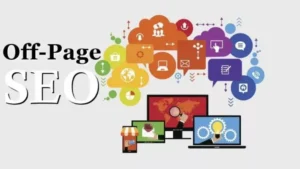
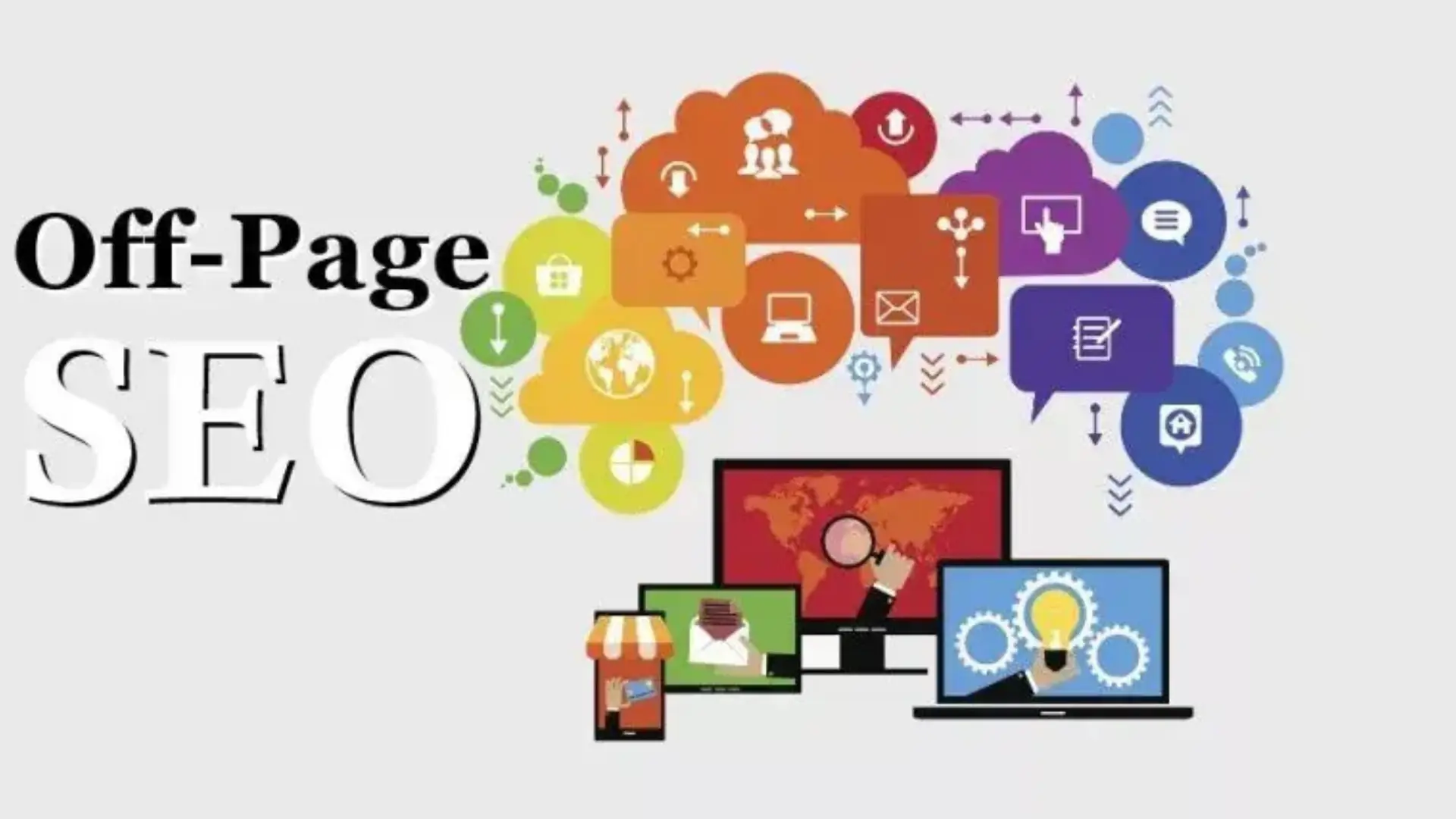
Off-page SEO refers to all the activities you carry out outside of your own website to improve its ranking on Google and other search engines. In simple words, whenever you do something that isn’t directly on your website but still benefits it—that’s off-page SEO.
For example, if another website links to your site from one of its pages, that’s an off-page SEO activity. Similarly, when people share your content on social media or mention your website on a forum, these activities also fall under off-page SEO and can support effective search engine optimization services.
Why Is Off-Page SEO So Important?
When Google ranks a website, it doesn’t just look at how good the content is inside that website. Google also looks at what the rest of the internet is saying about your website. If many reputable websites are linking to your site, Google assumes your website is trustworthy and valuable. That’s exactly why off-page SEO is just as important as on-page SEO when it comes to ranking well—and it’s also why most businesses eventually look for an experienced off-page SEO agency like Clickmasters to handle this side of the strategy properly.
Now let’s go through everything that falls under off-page SEO in detail.
1. Backlinks (Link Building)
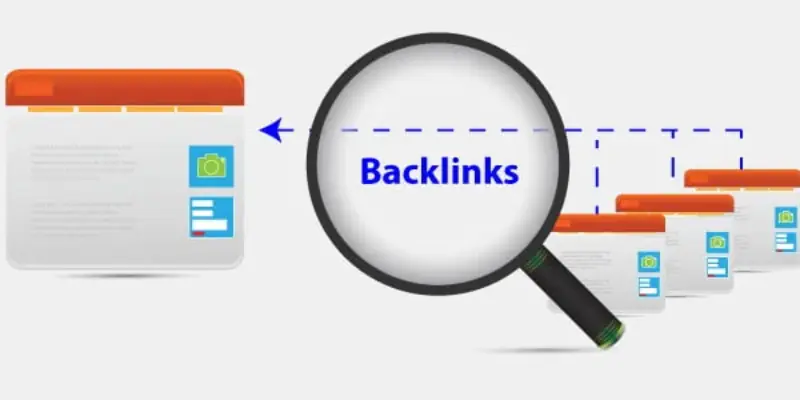
The biggest and most important part of off-page SEO is backlinks. A backlink is created whenever another website links to your website from one of their pages.
Types of Backlinks
- Dofollow Backlinks: These links tell search engines, “Follow this link and pass on ranking value.” These are the most valuable type of backlinks.
- Nofollow Backlinks: These links tell search engines not to pass ranking value directly. However, they’re still useful for traffic and brand visibility.
- Natural Backlinks: These are links people give you on their own, simply because they liked your content.
- Manual Backlinks: These are links you actively work to earn through outreach and effort.
- Self-Created Backlinks: These are links you create yourself, such as through forums, directories, or comments. Their value is lower, and using them excessively can even look spammy to Google.
Quality Over Quantity
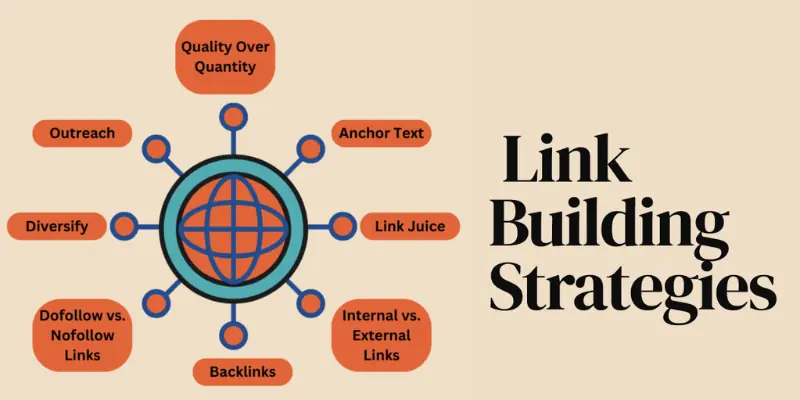
Always remember: one high-quality backlink is worth more than a hundred low-quality ones. A single link from a high-authority website (like Wikipedia or a major news outlet) can significantly boost your rankings. On the other hand, links from spammy or low-quality websites can actually get you penalized by Google.
Types of Backlinks Used in Off-Page SEO (And the Right Solution for Each Situation)
Now that you know backlinks are the backbone of off-page SEO, the next big question is, which type of backlink should you actually build, and in which situation? Below is a complete list of backlink types, explained one by one in a simple query-and-solution format—this way, whatever situation your website is in, you’ll immediately know what to do.
List of Backlink Types
- Web 2.0 Backlinks
- Forum Backlinks
- Guest Post Backlinks
- Outreach / Niche Edit Backlinks
- Podcast Backlinks
- Social Bookmarking Backlinks
- Profile Backlinks
- Directory Submission Backlinks
- Blog Comment Backlinks
- Q&A Backlinks
- Press Release (PR) Backlinks
- Video/YouTube Backlinks
- Broken Link Building Backlinks
- Skyscraper Backlinks
- Resource Page Backlinks
- PBN (Private Blog Network) Backlinks
Let’s go through each one in detail.
Web 2.0 Backlinks
Web 2.0 backlinks come from free blogging platforms like Blogger, WordPress.com, Tumblr, Wix, Medium, and Weebly. You create a mini-site or a single page on these platforms, write relevant content, and link it back to your main website.
Query: Your page is showing impressions in Google Search Console (meaning Google is showing it in search results), but it’s not converting into clicks or revenue for your main keyword. Solution: This usually means the page needs extra topical strength. Build around 3 to 4 quality Web 2.0 links pointing directly to that specific page, using relevant anchor text—this acts like a power booster and pushes extra link juice straight to that page.
Forum Backlinks
Forum backlinks come from posting on niche-relevant discussion forums (like Warrior Forum, niche-specific communities, or even Reddit threads) and adding your website link in your signature, profile, or within a helpful reply.
Query: Your website is brand new and doesn’t have much authority or trust yet. Solution: Build around 5 to 10 forum links spread across different relevant communities. This helps your backlink profile look natural and establishes early trust signals—just don’t overdo it, or it will look spammy.
Guest Post Backlinks
Guest posts are full articles you write for other websites in exchange for a backlink, usually placed naturally within the content body.
Query: You’re targeting a competitive, high-value commercial keyword and need serious authority to outrank competitors. Solution: Even 2 to 3 high-quality guest post backlinks from relevant DA 30+ sites can outperform dozens of weak links, since guest posts are one of the strongest ways to build authority and trust with Google.
Outreach / Niche Edit Backlinks
Also called “curated links” or “niche edits,” this is when you contact website owners and ask them to insert your link into one of their already-published, aged articles (instead of writing a brand-new post).
Query: A page is already sitting close to ranking (for example, on page 2 of Google) and just needs a small push to reach page 1. Solution: Get 1 to 2 niche edit links from relevant, aged articles. Since the article already has existing authority, this passes ranking power much faster than a brand-new guest post.
Podcast Backlinks
These come from appearing as a guest on podcasts related to your industry, with a backlink placed in the show notes or episode description.
Query: You want to build long-term brand trust and E-E-A-T (Experience, Expertise, Authoritativeness, Trustworthiness) signals, not just a quick ranking boost. Solution: Aim for one or two podcast appearances a month in your niche. This is especially useful for service-based or local businesses that want lasting credibility rather than a fast link.
Social Bookmarking Backlinks
These are links you get by submitting your content to bookmarking sites like Reddit, Digg, or Mix.
Query: You just published a brand-new blog post or page and want Google to crawl and index it faster. Solution: Submit 2 to 3 bookmarking links right after publishing. These mainly help with fast indexing, not ranking power, so keep expectations realistic.
Profile Backlinks
These come from creating a profile on various websites (forums, business directories, and portfolio sites) where you can add your website URL in the bio section.
Query: You’re just starting link building for a new website and need a natural-looking foundation before moving to stronger link types. Solution: Build around 10 to 15 profile links as a starting range. These act as foundation or “tier 2” links that support your main backlinks rather than ranking pages on their own.
Directory Submission Backlinks
These are links from submitting your website to online business directories (like Yelp, Yellow Pages, or niche-specific directories).
Query: You run a local business and want better visibility in your city or region. Solution: Submit to a handful of quality, relevant local directories rather than hundreds of random ones. This mainly helps local SEO and trust-building, not competitive keyword ranking. Many local businesses prefer to hand this over to an experienced off-page SEO company, since keeping listings accurate and consistent across dozens of directories can get time-consuming.
Blog Comment Backlinks
These come from leaving genuine, relevant comments on other blogs and including your website link (where allowed).
Query: Your backlink profile looks unnatural because every link uses the exact-match keyword as anchor text. Solution: Add a few blog comment links, using branded or naked URL anchor text (like “yourwebsite.com” instead of an exact keyword). This keeps your overall link profile balanced, even though the ranking power is very low.
Q&A Backlinks
Links placed within detailed, helpful answers on platforms like Quora.
Query: You want to drive real human traffic to a specific page by answering questions people are already searching for. Solution: Answer relevant questions genuinely and place your link where it truly helps. This is mainly for referral traffic and topical relevance, not heavy ranking power.
Press Release (PR) Backlinks
These come from distributing a news-style press release about your business, product launch, or major update through PR distribution websites.
Query: You have a major announcement—a new product, funding news, or a company milestone—and want wide visibility fast. Solution: Distribute a press release through PR websites. This isn’t for everyday link building, but it’s great for brand visibility and mentions across multiple news-style sites at once.
Video/YouTube Backlinks
Links are placed in the description of videos you upload to YouTube or other video platforms.
Query: You already have video content prepared, or you’re repurposing a blog post into a video to reach a wider audience. Solution: Add your website link in the video description. This drives both referral traffic and brand trust alongside your content marketing.
Broken Link Building Backlinks
This involves finding dead links on other websites and suggesting your content as a replacement.
Query: You have evergreen, well-researched content (like a guide or resource page) that could genuinely replace outdated resources elsewhere. Solution: Find broken links on relevant niche sites and pitch your content as the replacement. These end up being highly contextual, relevant links because you’re solving a real problem for the site owner.
Skyscraper Backlinks
Links earned by creating a better, more updated version of already-popular content and reaching out to sites linking to the original.
Query: A competitor’s content is outranking you and already has a strong backlink profile you want to beat. Solution: Create a more detailed and updated version of that content, then reach out to the same sites linking to the competitor. This builds natural, high-quality backlinks from sites already proven to link to similar content.
Resource Page Backlinks
Links placed on “resource” or “useful links” pages that websites (often educational or niche-authority sites) maintain for their visitors.
Query: You have informational, tool-based, or guide-style content that genuinely deserves a spot among other useful resources. Solution: Pitch your content to relevant resource pages. These carry strong trust signals since resource pages are curated collections of genuinely helpful links.
Quick Query-to-Solution Backlink Guide
| Your Query / Situation | Solution: Best Backlink Type | Suggested Quantity |
| The page has impressions but no clicks/revenue for the target keyword. | Web 2.0 backlinks | 3–4 links per page |
| Brand-new website with zero authority | Profile, Forum, and Directory links | 10–15 combined |
| Competitive commercial keyword, need authority | Guest posts and outreach/niche edits | 2–3 high-DA links |
| The page is stuck on page 2, needs a small push to page 1. | Niche edit/outreach links | 1–2 links |
| Want fast indexing for a new post | Social bookmarking | 2–3 links |
| Building long-term brand trust (E-E-A-T) | Podcasts, press releases, and influencer mentions | Ongoing |
| Local business visibility | Directory submissions, local citations, and reviews | Ongoing |
| Need to diversify anchor text naturally | Blog comments and profile links (branded anchors) | Few, spread out |
| Outranking a specific competitor’s article | Skyscraper technique | Depends on the competitor’s link count |
| Recovering value from outdated content elsewhere | Broken link building | As many relevant ones as you find |
The key takeaway here is simple: not all backlinks are built for the same job. Some solve a trust problem, some solve an indexing problem, some solve a specific page’s ranking problem, and some build long-term authority. Matching the right query to the right solution is what separates a random link-building effort from a smart, results-driven off-page SEO strategy.
2. Guest Posting
Guest posting means writing an article for another website and, in return, getting a backlink to your own site. This remains one of the most effective off-page SEO strategies even today.
Benefits:
- Reaching a new audience
- Earning a high-quality backlink
- Building authority and credibility in your niche
When guest posting, always choose relevant, reputable websites that match your niche; quality matters far more than quantity here. This is also one of the main services offered by the off-page SEO service providers, since sourcing high-authority guest post opportunities takes real industry relationships and experience.
3. Social Media Marketing
Social media isn’t a direct ranking factor, but it plays a huge indirect role. When you share your content on Facebook, Instagram, Twitter (X), LinkedIn, and other platforms, several things happen:
- More people visit your website
- Your content has a higher chance of going viral
- Brand awareness grows
- Sometimes, social shares even lead to natural backlinks
Make it a habit to share every blog post or website update on your social media channels.
4. Influencer Outreach
Influencer marketing is a huge trend today. If you get an influencer in your niche to promote your product or website, it directly benefits you by:
- Building trust with a new audience
- Increasing traffic
- Generating backlinks and brand mentions
Even small business owners can work with micro-influencers (those with smaller but highly engaged followings) and see great results.
5. Forum Posting and Community Engagement
Staying active on platforms like Quora, Reddit, and niche-specific forums is also part of off-page SEO. When you answer people’s questions and share your website link where relevant, you get:
- Referral traffic
- Established authority in your field
- Occasionally, valuable backlinks
Just remember: don’t spam links everywhere. Provide real value first, and only share your link when it genuinely helps.
6. Brand Mentions
Sometimes people mention your website or brand name in an article without actually linking to it—this is called an unlinked brand mention. Google does consider these mentions to some extent as a trust signal, especially when they come from reputable sources.
You can reach out to these websites and politely ask them to turn the mention into an actual link.
7. Local SEO and Citations
If your business is local (like a shop, restaurant, or service provider), local SEO is a crucial part of your off-page SEO strategy:
- Optimizing your Google Business Profile
- Getting listed on local directories (like Yelp, Yellow Pages, etc.)
- Keeping NAP (Name, Address, Phone number) consistent across all platforms
- Collecting genuine local reviews
All of these factors help boost your visibility in local search results.
8. Content Marketing and Content Distribution
Writing great content isn’t enough; you also need to distribute it in the right places. Content marketing includes:
- Creating and sharing infographics
- Making videos and uploading them to YouTube
- Appearing as a guest on podcasts
- Sharing content through email newsletters
- Syndicating your content on other websites
The more people see your content, the higher the chances they’ll link back to it.
9. Online Reviews and Reputation Management
Reviews are also a part of off-page SEO, especially for local businesses. Positive reviews on Google My Business, Trustpilot, or any review platform boost your credibility.
Tips:
- Politely ask satisfied customers for reviews
- Respond professionally to negative reviews
- Always avoid fake reviews—they can seriously damage your reputation
10. Broken Link Building
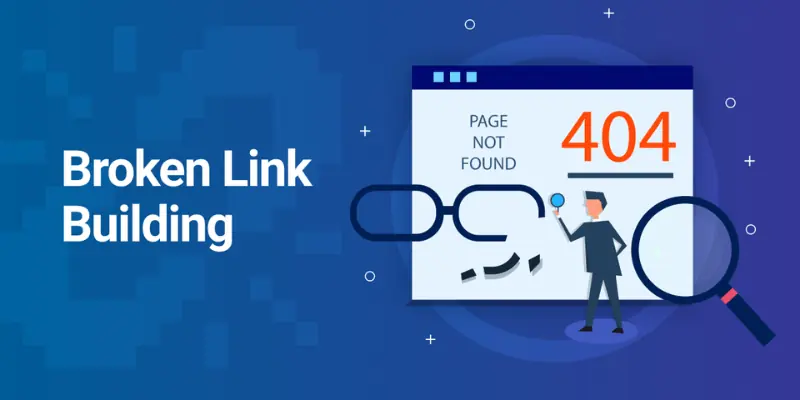
This is a slightly advanced technique where you find broken (dead) links on other websites. You then contact the website owner and let them know, “This link isn’t working anymore, and my content could be a great replacement for it.” This benefits both sides—their website gets fixed, and you earn a valuable backlink.
11. Skyscraper Technique
This technique is simple: first, find out which content in your niche already has the most backlinks. Then create a better, more detailed, and more updated version of that content. After that, reach out to the websites linking to the older content and ask them to link to your improved version instead.
12. Social Bookmarking
Submitting your content to sites like Reddit, Digg, or similar bookmarking platforms is an older but still somewhat useful off-page SEO method. It can bring in a bit of traffic and visibility, but it shouldn’t be your main strategy.
13. Q&A Websites
Answering niche-related questions on platforms like Quora and sharing your knowledge genuinely is a great way to promote your website naturally. When people find your answers helpful, they often visit your website on their own.
14. Podcast and Video Marketing
Podcasts and video content have become extremely popular recently. If you appear as a guest on a podcast or create valuable YouTube videos, you get several benefits:
- Access to a completely new audience
- Backlinks (often placed in video descriptions)
- Increased brand trust and recognition
Off-Page SEO Best Practices
- Quality Content Comes First: If your content isn’t valuable, no one will naturally want to link to it.
- Build a Diverse Backlink Profile: Don’t rely on just one type of link—mix guest posts, directories, social shares, and more.
- Be Careful with Anchor Text: Don’t always use exact-match keyword anchor text, or Google may flag it as spammy.
- Avoid Spammy Links: Stay away from paid low-quality links or link farms, as they can lead to penalties.
- Be Patient: Off-page SEO results don’t happen overnight—it’s a slow, consistent, long-term process.
The Difference Between On-Page SEO and Off-Page SEO
| On-Page SEO | Off-Page SEO |
| Happens within your website | Happens outside your website |
| Keywords, meta tags, content quality | Backlinks, social signals, mentions |
| Fully under your control | Depends on other people and platforms |
| Forms the foundation of ranking | Boosts your website’s authority |
Both are incomplete without each other. If your on-page SEO is strong but off-page SEO is weak, you’ll fall behind competitors. Similarly, if your off-page SEO is excellent but your website’s content is weak, visitors won’t stay on your site for long.
GET IN TOUCH
Get 1 Free Consultation Call
Conclusion
Off-page SEO is what makes your website trustworthy—not just to search engines, but to real people as well. Backlinks, social media, guest posting, influencer outreach, and reviews all work together to build your website’s “reputation” across the internet.
If you consistently work on your off-page SEO with the right strategies and a good deal of patience, your website’s ranking, traffic, and authority will all improve over time. Just remember—this is a marathon, not a sprint—so keep working consistently, and the results will follow! And if you’d rather have experts manage it for you, Clickmasters is always ready to help turn your off-page SEO strategy into real, measurable results.
Frequently Asked Questions (FAQs)
What is off-page SEO in simple words?
Off-page SEO means everything you do outside your own website to improve its ranking on search engines—like getting backlinks, social media shares, guest posts, and brand mentions from other websites.
What is the difference between on-page SEO and off-page SEO?
On-page SEO is what you control directly on your website, like content and keywords. Off-page SEO happens outside your website, like backlinks and mentions from other sites, and depends on how the rest of the internet talks about you.
Which is the most important off-page SEO factor?
Backlinks are widely considered the single most important off-page SEO factor, but quality matters far more than quantity—one link from a trusted, relevant website is worth more than dozens from low-quality sites.
How many backlinks do I need per page?
There’s no fixed number, since it depends on your competition and keyword difficulty. As explained earlier in this guide, the right approach is to match the backlink type to your specific goal—for example, 3–4 Web 2.0 links for a page that has impressions but no clicks, or 2–3 high-authority guest posts for a competitive keyword.
How long does off-page SEO take to show results?
Off-page SEO is a slow, long-term process. Depending on your niche and competition, it can take anywhere from a few weeks to several months to see noticeable ranking improvements—consistency matters more than speed.
Is off-page SEO more important than on-page SEO?
Neither is “more important”—they work together. On-page SEO builds the foundation, while off-page SEO builds authority and trust on top of that foundation. Skipping either one usually holds back your overall results.
Should I hire an off-page SEO company or do it myself?
If you have the time to learn and experiment, you can do a lot of this yourself using the strategies covered in this guide. However, if you want faster, safer, and more consistent results, working with an experienced off-page SEO agency like Clickmasters can save you time and help you avoid risky tactics that could get your site penalized.